ประโยคภาษาอังกฤษใช้บ่อยในที่ทำงาน คุณเคยเจอสถานการณ์นี้ไหม? เวลาคุยภาษาอังกฤษกับเพื่อนร่วมงานหรือชาวต่างชาติ แล้วอยากจะบอกว่า “ฉันเข้าใจที่คุณพูดนะ” แต่ในหัวกลับคิดออกอยู่ประโยคเดียวคือ “I understand” การสื่อสารที่มีเสน่ห์และดูเป็นธรรมชาติเหมือนเจ้าของภาษา (Idiomatic expressions) มักจะผสมผสานระหว่าง Simple Sentences (ประโยคความเดียวที่กระชับ ตรงประเด็น) และ Idioms หรือ Slang (สำนวนที่สละสลวย) เข้าด้วยกัน วันนี้เรามาดูตัวอย่างประโยคที่ใช้บ่อยในการทำงานและชีวิตประจำวัน เพื่ออัปเกรดภาษาอังกฤษของคุณให้ดูโปรและเป็นธรรมชาติมากขึ้น 1. หมวด: “ฉันเข้าใจสิ่งที่คุณต้องการจะสื่อ” เวลาต้องการแสดงความเข้าอกเข้าใจ หรือบอกว่าเราตามความคิดของอีกฝ่ายทัน...
สรุปรวม “เครื่องหมายวรรคตอน” (Punctuation): ฮีโร่ผู้อยู่เบื้องหลังทุกตัวอักษร ลองจินตนาการว่าคุณกำลังอ่านบทความภาษาอังกฤษอยู่โดยที่ไม่มีช่องว่างไม่มีเครื่องหมายคำถามไม่มีจุดฟูลสต็อปและไม่มีอะไรเลยคุณคงจะรู้สึกอึดอัดและหมดแรงตั้งแต่สามประโยคแรกใช่ไหมคะ? นี่คือเหตุผลที่ เครื่องหมายวรรคตอน (Punctuation) ถูกคิดค้นขึ้นมา พวกมันไม่ได้เป็นแค่สัญลักษณ์แปลกๆ ที่ถูกสาดลงบนหน้ากระดาษ แต่เป็นเหมือน “ป้ายจราจร” ในโลกของภาษาที่คอยบอกคนอ่านว่าควรหยุดตอนไหน ควรเว้นหายใจเมื่อไหร่ และควรใส่อารมณ์กับประโยคนั้นอย่างไร เมื่อเครื่องหมายเปลี่ยน ชีวิตก็เปลี่ยน ความทรงพลังของเครื่องหมายวรรคตอนเห็นได้ชัดที่สุดผ่านตำแหน่งของมัน บ่อยครั้งที่การวางเครื่องหมายผิดที่ สามารถเปลี่ยนความหมายจากหน้ามือเป็นหลังมือ หรืออาจถึงขั้น “เปลี่ยนชีวิต” ได้เลยทีเดียว ลองดูตัวอย่างคลาสสิกในภาษาอังกฤษนี้: แบบที่...
Today’s Lesson: เมคอัพสไตล์ “ปรุงจืด” ในภาษาอังกฤษ ถ้าพูดถึงเทรนด์บิวตี้ที่มาแรงและยืนหนึ่งในใจใครหลายคนตอนนี้ คงหนีไม่พ้นการแต่งหน้าโทนละมุน ๆ นวล ๆ หรือที่ชาวเน็ตไทยเรียกกันอย่างเอ็นดูว่า “แต่งหน้าแบบปรุงจืด”  คำว่า ปรุงจืด ในที่นี้ไม่ได้แปลว่าจืดชืดไร้มิติ แต่หมายถึงการแต่งหน้าเน้นความสวยแบบธรรมชาติ ไม่เน้นสีสันที่ฉูดฉาด ไม่คัดเบ้าตาแน่น หรือ กรีดอายไลเนอร์คมกริบ แต่เป็นการ “แต่งเหมือนไม่ได้แต่ง” ที่ดูแพงและสบายตา แล้วถ้าเราอยากจะอธิบายลุคนี้เป็นภาษาอังกฤษล่ะ? จะใช้คำว่าอะไรให้ตรงเรฟและอินเทรนด์ที่สุด วันนี้เราสรุปมาให้แล้ว 3 คีย์เวิร์ดภาษาอังกฤษของสาว...
ผลลัพธ์การค้นหาสำหรับ

*advance to*

   
ภาษา
Dictionaries languages

English Phonetic Symbols


Chinese Phonetic Symbols


ลองค้นหาคำในรูปแบบอื่น ๆ เพื่อให้ได้ผลลัพธ์มากขึ้นหรือน้อยลง: advance to, -advance to-
มีผลลัพธ์ที่ไม่แสดงผลอยู่
ปรับการตั้งค่า
Dictionaries languages

English Phonetic Symbols


Chinese Phonetic Symbols


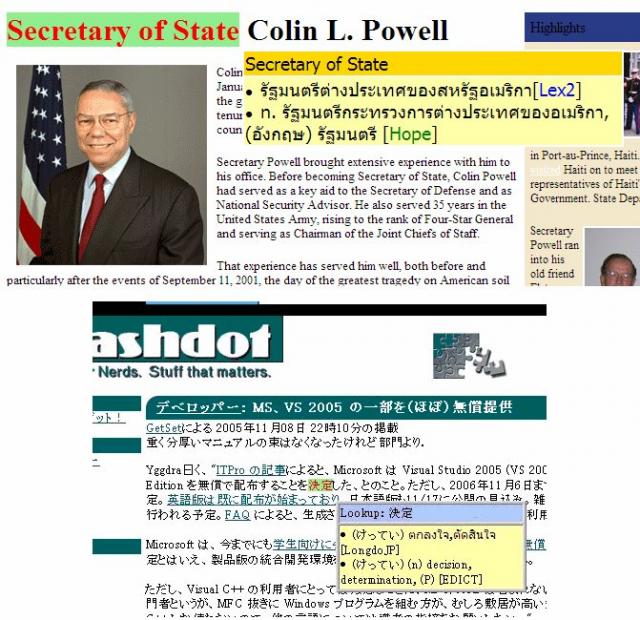
English-Thai: NECTEC's Lexitron-2 Dictionary [with local updates]
advance to(phrv) มาถึง, See also: ไปถึง, มุ่งสู่
advance towards(phrv) มุ่งหน้าสู่, See also: มุ่งสู่
advance towards(phrv) เริ่มเข้าสู่สภาพ, See also: กลายเป็น

Thai-English: NECTEC's Lexitron-2 Dictionary [with local updates]
ส่งเสริม(v) promote, See also: raise to, advance to, Syn. สนับสนุน, เกื้อหนุน, ช่วยเหลือ

Thai-English-French: Volubilis Dictionary 1.0
มุ่ง[mung] (v) EN: be bound for ; intend ; aim at ; advance towards ; go to ; target  FR: viser ; se focaliser sur ; se diriger vers ; tendre vers ; se destiner à

ตัวอย่างประโยคจาก Tanaka JP-EN Corpus
advance toAdvance to third on a stolen base.
advance toI had expected stronger resistance from the enemy but if anything there are less of them as we advance to the centre... Don't you think that's strange?

Chinese-English: CC-CEDICT Dictionary
并进[bìng jìn, ㄅㄧㄥˋ ㄐㄧㄣˋ,   /  ] advance together; advances together; keep abreast of #35,758 [Add to Longdo]

Japanese-English: EDICT Dictionary
上がる(P);揚がる(P);挙がる(P);上る(io)[あがる, agaru] (v5r, vi) (1) to rise; to go up; to come up; to ascend; to be raised; (2) to enter (esp. from outdoors); to come in; to go in; (3) to enter (a school); to advance to the next grade; (4) to get out (of water); to come ashore; (5) (also written as 騰る in ref. to price) to increase; (6) to improve; to make progress; (7) to be promoted; to advance; (8) to be made (of profit, etc.); (9) to occur (esp. of a favourable result); (10) (often as 〜で上がる) to be adequate (to cover expenses, etc.); (11) to be finished; to be done; to be over; (12) (of rain) to stop; to lift; (13) to stop (working properly); to cut out; to give out; to die; (14) to win (in a card game, etc.); (15) (挙がる only) to be arrested; (16) (挙がる only) to turn up (of evidence, etc.); (17) (揚がる only) to be deep fried; (18) to be spoken loudly; (19) to get stage fright; (20) to be offered (to the gods, etc.); (21) (hum) to go; to visit; (22) (hon) to eat; to drink; (23) (esp. 挙がる) to be listed (as a candidate); (24) to serve (in one's master's home); (25) (in Kyoto) to go north; (suf, v5r) (26) (See 出来上がる・1) (after the -masu stem of a verb) indicates completion; (P) #7,851 [Add to Longdo]
駒を進める[こまをすすめる, komawosusumeru] (exp, v1) to advance to the next stage (e.g. in a tournament) [Add to Longdo]
勝ち残る[かちのこる, kachinokoru] (v5r, vi) to win and advance to the next round [Add to Longdo]
勝ち進む[かちすすむ, kachisusumu] (v5m, vi) to win and advance to the next round [Add to Longdo]

เพิ่มคำศัพท์


ทราบความหมายของคำศัพท์นี้? กด [เพิ่มคำศัพท์] เพื่อใส่คำนี้พร้อมความหมาย เพื่อเป็นวิทยาทานแก่ผู้ใช้ท่านอื่น ๆ


Are you satisfied with the result?


Discussions

ว่าด้วยโฆษณา
เราทราบดีว่าท่านผู้ใช้คงไม่ได้อยากให้มีโฆษณาเท่าใดนัก แต่โฆษณาช่วยให้ทาง Longdo เรามีรายรับเพียงพอที่จะให้บริการพจนานุกรมได้แบบฟรีๆ ต่อไป ดูรายละเอียดเพิ่มเติม
Go to Top