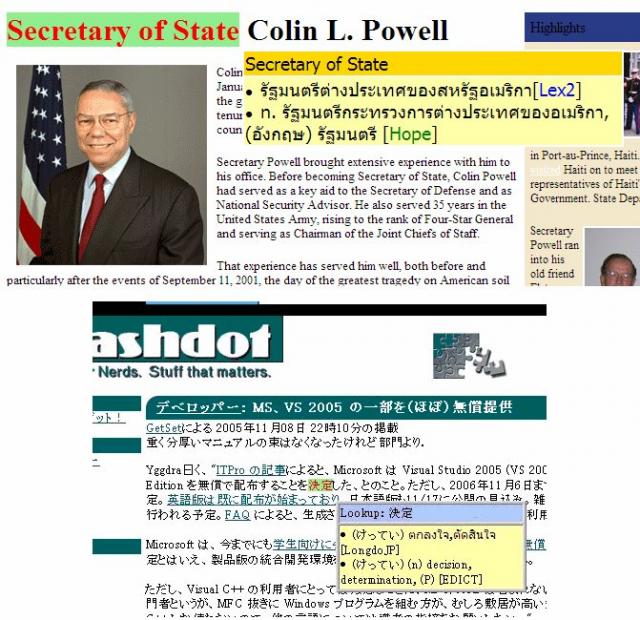
| (เนื่องจากผลลัพธ์จากการค้นหา -disgest- มีน้อย ระบบจึงเลือกคำใหม่ให้โดยอัตโนมัติ: digest) |
มีผลลัพธ์ที่ไม่แสดงผลอยู่ | Disgest | v. t. To digest. [ Obs. ] Bacon. [ 1913 Webster ] | | Disgestion | n. Digestion. [ Obs. ] [ 1913 Webster ] | | Digest | v. i. 1. To undergo digestion; as, food digests well or ill. [ 1913 Webster ] 2. (Med.) To suppurate; to generate pus, as an ulcer. [ 1913 Webster ] | | Digest | v. t. [ imp. & p. p. Digested; p. pr. & vb. n. Digesting. ] [ L. digestus, p. p. of digerere to separate, arrange, dissolve, digest; di- = dis- + gerere to bear, carry, wear. See Jest. ] 1. To distribute or arrange methodically; to work over and classify; to reduce to portions for ready use or application; as, to digest the laws, etc. [ 1913 Webster ] Joining them together and digesting them into order. Blair. [ 1913 Webster ] We have cause to be glad that matters are so well digested. Shak. [ 1913 Webster ] 2. (Physiol.) To separate (the food) in its passage through the alimentary canal into the nutritive and nonnutritive elements; to prepare, by the action of the digestive juices, for conversion into blood; to convert into chyme. [ 1913 Webster ] 3. To think over and arrange methodically in the mind; to reduce to a plan or method; to receive in the mind and consider carefully; to get an understanding of; to comprehend. [ 1913 Webster ] Feelingly digest the words you speak in prayer. Sir H. Sidney. [ 1913 Webster ] How shall this bosom multiplied digest
The senate's courtesy? Shak. [ 1913 Webster ] 4. To appropriate for strengthening and comfort. [ 1913 Webster ] Grant that we may in such wise hear them [ the Scriptures ], read, mark, learn, and inwardly digest them. Book of Common Prayer. [ 1913 Webster ] 5. Hence: To bear comfortably or patiently; to be reconciled to; to brook. [ 1913 Webster ] I never can digest the loss of most of Origin's works. Coleridge. [ 1913 Webster ] 6. (Chem.) To soften by heat and moisture; to expose to a gentle heat in a boiler or matrass, as a preparation for chemical operations. [ 1913 Webster ] 7. (Med.) To dispose to suppurate, or generate healthy pus, as an ulcer or wound. [ 1913 Webster ] 8. To ripen; to mature. [ Obs. ] [ 1913 Webster ] Well-digested fruits. Jer. Taylor. [ 1913 Webster ] 9. To quiet or abate, as anger or grief. [ 1913 Webster ] | | Digest | n. [ L. digestum, pl. digesta, neut., fr. digestus, p. p.: cf. F. digeste. See Digest, v. t. ] That which is digested; especially, that which is worked over, classified, and arranged under proper heads or titles; esp. (Law), A compilation of statutes or decisions analytically arranged. The term is applied in a general sense to the Pandects of Justinian (see Pandect), but is also specially given by authors to compilations of laws on particular topics; a summary of laws; as, Comyn's Digest; the United States Digest. [ 1913 Webster ] A complete digest of Hindu and Mahommedan laws after the model of Justinian's celebrated Pandects. Sir W. Jones. [ 1913 Webster ] They made a sort of institute and digest of anarchy, called the Rights of Man. Burke. [ 1913 Webster ] | | Digestedly | adv. In a digested or well-arranged manner; methodically. [ 1913 Webster ] | | Digester | n. 1. One who digests. [ 1913 Webster ] 2. A medicine or an article of food that aids digestion, or strengthens digestive power. [ 1913 Webster ] Rice is . . . a great restorer of health, and a great digester. Sir W. Temple. [ 1913 Webster ] 3. A strong closed vessel, in which bones or other substances may be subjected, usually in water or other liquid, to a temperature above that of boiling, in order to soften them. [ 1913 Webster ] | | Digestibility | n. The quality of being digestible. [ 1913 Webster ] | | Digestible | a. [ F. digestible, L. digestibilis. ] Capable of being digested. [ 1913 Webster ] | | Digestibleness | n. The quality of being digestible; digestibility. [ 1913 Webster ] | | Digestion | n. [ F. digestion, L. digestio. ] 1. The act or process of digesting; reduction to order; classification; thoughtful consideration. [ 1913 Webster ] 2. (Physiol.) The conversion of food, in the stomach and intestines, into soluble and diffusible products, capable of being absorbed by the blood. [ 1913 Webster ] 3. (Med.) Generation of pus; suppuration. [ 1913 Webster ] | | Digestive | n. 1. That which aids digestion, as a food or medicine. Chaucer. [ 1913 Webster ] That digestive [ a cigar ] had become to me as necessary as the meal itself. Blackw. Mag. [ 1913 Webster ] 2. (Med.) (a) A substance which, when applied to a wound or ulcer, promotes suppuration. Dunglison. (b) A tonic. [ R. ] [ 1913 Webster ] |
| |
| | digest | (vt) เข้าใจ, See also: ซึมซาบ, หยั่งถึง, Syn. understand, grasp, Ant. misunderstand | | digest | (vt) ตัดทอน, See also: ย่อสั้นๆ, Syn. summarize, condense | | digest | (n) บทสรุป, See also: งานย่อ, บทสรุปใจความสำคัญ, บทคัดย่อ, Syn. abstract, brief, Ant. amplification | | digest | (n) ประมวลกฎหมาย | | digest | (vt) ย่อยอาหาร, See also: ย่อย, Syn. absorb, ingest | | digest | (vi) ย่อยอาหาร, See also: ย่อย, Syn. absorb, ingest | | digest | (n) หนังสือที่รวบรวมบทความ | | digest | (n) หนังสือรวบรวมบทความหรือเรื่องราวสั้นๆ | | digestion | (n) การย่อยอาหาร, Syn. digesting, eupepsia | | digestive | (adj) เกี่ยวกับการย่อยอาหาร |
| | digest | (ไดเจสทฺ') v. ย่อย, ช่วยย่อย, เข้าใจ, ไตร่ตรอง, อดทน, จำแนก, แยกแยะ, ทำให้สั้นรัดกุม, สรุป. n. หนังสือประมวลใจความสำคัญ, See also: digester n. ดูdigest digestant n. ดูdigest digestible adj. ดูdigest digestibility n. ดูdigest digestion n. ดูdig | | digestive biscuit | n. ขนมปังกรอบที่กลมใหญ่ | | digestor | (ดิเจส'เทอะ) n. ดูdigester | | indigestion | (อินไดเจส' เชิน) n. การไม่ย่อย, อาการอาหารไม่ย่อย, การย่อยไม่สมบูรณ์หรือเสื่อม., See also: indigestive adj., Syn. dyspepsia |
| | digest | (n) เรื่องย่อ, หนังสือประมวลกฎหมาย | | digest | (vt) จำแนก, ย่อย, ย่อให้สั้น, แยกแยะ, สรุป | | digestible | (adj) ย่อยได้, พอประมวลได้ | | digestion | (n) การย่อยอาหาร, การไตร่ตรอง, การเก็บข้อความสำคัญ | | digestive | (adj) เกี่ยวกับการย่อย, เกี่ยวกับการเก็บใจความสำคัญ | | indigestible | (adj) ย่อยไม่ได้, พะอืดพะอม, จำแนกไม่ได้, แยกไม่ได้ | | indigestion | (n) โรคอาหารไม่ย่อย |
| | | Digest | หนังสือย่อ [บรรณารักษ์และสารสนเทศศาสตร์] | | Digest | ทำลาย [การแพทย์] | | Digest, Initial | ย่อยครั้งแรก [การแพทย์] | | Digestants | การย่อยอาหาร [การแพทย์] | | Digested Sludge | สลัดจ์ย่อยแล้ว, Example: สลัดจ์จากระบบบำบัดน้ำเสีย ซึ่งถูกย่อยภายใต้สภาวะที่มีอากาศหรือไม่มีอากาศ จนถึงจุดซึ่งส่วนที่เหลือไม่เน่าสลายอีกต่อไป [สิ่งแวดล้อม] | | Digestibility | ความสามารถในการย่อย [การแพทย์] | | Digestion | การย่อยอาหาร [TU Subject Heading] | | Digestion | การย่อย, การย่อยอาหาร, ระบบทางเดินอาหาร [การแพทย์] | | digestion | การย่อยอาหาร, การแปรสภาพสารอาหารโดยใช้เอนไซม์เข้าทำปฏิกิริยาทำให้สารอาหารโมเลกุลใหญ่มีโมเลกุลเล็กลง จนกระทั่งสามารถซึมผ่านเยื่อหุ้มเซลล์ได้ [พจนานุกรมศัพท์ สสวท.] | | Digestion, Destructive | การทำลาย [การแพทย์] |
| | จำแนกแยกแยะ | (v) sort out, See also: digest, separate, segregate, sift, Syn. แยก, แยกแยะ, แบ่งแยก, Example: นักวิชาการได้จำแนกแยกแยะประเภทของผ้าทอพื้นบ้านของกลุ่มคนไทกลุ่มต่างๆ ไว้ | | ย่อย | (v) digest, Example: ผู้ป่วยที่มีปัญหาเรื่องลำไส้ต้องกินอาหารย่อยง่ายๆ เช่น ข้าวต้ม โจ๊ก, Thai Definition: ละลายเข้าเป็นเนื้อเดียวกับอีกสิ่งหนึ่ง | | น้ำย่อย | (n) digesting juice, See also: enzyme, Example: เขาอ้างว่าดื่มสุราเพื่อกระตุ้นน้ำย่อยในกระเพาะอาหาร, Thai Definition: ของเหลวที่มีสารอินทรีย์บางชนิดสำหรับย่อยอาหาร เกิดในปาก กระเพาะ ลำไส้ ตับ และตับอ่อน | | ย่อส่วน | (v) condense, See also: digest, condense, compress, shorten, shrivel, shrink, contract, Syn. ย่อขนาด, Example: รถไฟจำลองย่อส่วนจากของจริงประมาณ 50 เท่า | | การย่อยอาหาร | (n) digestion, Example: น้ำมีส่วนช่วยในการย่อยอาหารและหล่อเลี้ยงตามร่างกาย |
| | อาหารไม่ย่อย | [āhān mai yøi] (n) EN: indigestion FR: indigestion [ f ] | | ไฟธาตุ | [faithāt] (n) EN: digestion FR: digestion [ f ] | | ไฟธาตุไม่ดี | [faithāt mai dī] (x) EN: have poor digestion ; suffer indigestion FR: avoir une indigestion | | แจกแจง | [jaēkjaēng] (v) EN: enumerate ; explain ; analyse ; digest ; clarify FR: énumérer | | จำแนกแยกแยะ | [jamnaēk yaēkyae] (v, exp) EN: sort out ; digest ; separate ; segregate ; sift FR: séparer ; trier | | การย่อยอาหาร | [kān yøi āhān] (n) EN: digestion FR: digestion [ f ] | | กระบวนการย่อยอาหาร | [krabūankān yøi āhān] (n, exp) FR: processus de digestion [ m ] | | น้ำย่อย | [nāmyøi] (n, exp) EN: digestive juice ; gastric juice ; enzyme FR: suc gastrique [ m ] ; suc digestif [ m ] ; enzyme [ f ] | | ระบบย่อยอาหาร | [rabop yøi āhān] (n, exp) FR: appareil digestif [ m ] | | ท้องเสีย | [thøngsīa] (n) EN: diarrhea = diarrhoea (Am.) ; upset stomach ; indigestion FR: diarrhée [ f ] ; indigestion [ f ] ; courante [ f ] (pop.) |
| | | | | | digest | (n) a periodical that summarizes the news | | digest | (v) convert food into absorbable substances, Example: I cannot digest milk products | | digest | (v) arrange and integrate in the mind, Example: I cannot digest all this information | | digest | (v) put up with something or somebody unpleasant, Syn. stick out, stand, suffer, support, tolerate, brook, put up, bear, endure, stomach, abide, Example: I cannot bear his constant criticism; The new secretary had to endure a lot of unprofessional remarks; he learned to tolerate the heat; She stuck out two years in a miserable marriage | | digest | (v) become assimilated into the body, Example: Protein digests in a few hours | | digest | (v) systematize, as by classifying and summarizing, Example: the government digested the entire law into a code | | digest | (v) soften or disintegrate, as by undergoing exposure to heat or moisture | | digest | (v) make more concise, Syn. concentrate, condense, Example: condense the contents of a book into a summary | | digest | (v) soften or disintegrate by means of chemical action, heat, or moisture | | digester | (n) autoclave consisting of a vessel in which plant or animal materials are digested |
| | 消化 | [xiāo huà, ㄒㄧㄠ ㄏㄨㄚˋ, 消 化] digest; digestion; digestive #3,778 [Add to Longdo] | | 文摘 | [wén zhāi, ㄨㄣˊ ㄓㄞ, 文 摘] digest (of literature); to make a digest (of data); summary #26,988 [Add to Longdo] | | 消化系统 | [xiāo huà xì tǒng, ㄒㄧㄠ ㄏㄨㄚˋ ㄒㄧˋ ㄊㄨㄥˇ, 消 化 系 统 / 消 化 系 統] digestive system; gastrointestinal tract #28,131 [Add to Longdo] | | 消食 | [xiāo shí, ㄒㄧㄠ ㄕˊ, 消 食] digestion #37,422 [Add to Longdo] | | 消化液 | [xiāo huà yè, ㄒㄧㄠ ㄏㄨㄚˋ ㄧㄝˋ, 消 化 液] digestive fluid #56,708 [Add to Longdo] | | 消化酶 | [xiāo huà méi, ㄒㄧㄠ ㄏㄨㄚˋ ㄇㄟˊ, 消 化 酶] digestive enzyme #58,469 [Add to Longdo] | | 消化腺 | [xiāo huà xiàn, ㄒㄧㄠ ㄏㄨㄚˋ ㄒㄧㄢˋ, 消 化 腺] digestive glands #150,523 [Add to Longdo] | | 消化管 | [xiāo huà guǎn, ㄒㄧㄠ ㄏㄨㄚˋ ㄍㄨㄢˇ, 消 化 管] digestive tube; gut #155,647 [Add to Longdo] | | 消化道 | [xiāo huà dào, ㄒㄧㄠ ㄏㄨㄚˋ ㄉㄠˋ, 消 化 道] digestive tract [Add to Longdo] | | 肠胃道 | [cháng wèi dào, ㄔㄤˊ ㄨㄟˋ ㄉㄠˋ, 肠 胃 道 / 腸 胃 道] digestive tract [Add to Longdo] |
| | 要約(P);要訳 | [ようやく, youyaku] (n, vs, adj-no) summary; digest; (P) #2,036 [Add to Longdo] | | 消化 | [しょうか, shouka] (n, vs, adj-no) (1) digestion; (2) thorough understanding; (3) selling accumulated (excess) products; dealing with a large amount of work; (4) losing one's form and turning into something else; (P) #7,384 [Add to Longdo] | | ダイジェスト | [daijiesuto] (n, vs) digest; (P) #9,348 [Add to Longdo] | | タンパク消化酵素;蛋白消化酵素 | [タンパクしょうかこうそ(タンパク消化酵素);たんぱくしょうかこうそ(蛋白消化酵素), tanpaku shoukakouso ( tanpaku shouka kouso ); tanpakushoukakouso ( tanpaku shouka k] (n) protein-digesting enzyme [Add to Longdo] | | ダイジェストアクセスプロトコル | [daijiesutoakusesupurotokoru] (n) { comp } digest access protocol [Add to Longdo] | | メレナ;メレーナ | [merena ; mere-na] (n) melena (melaena) (stool containing partially digested blood) [Add to Longdo] | | 胃弱 | [いじゃく, ijaku] (n, adj-no) dyspepsia; indigestion; weak digestion [Add to Longdo] | | 胃腸薬 | [いちょうやく, ichouyaku] (n) digestive medicine; medicine for the stomach and bowels [Add to Longdo] | | 飲み込む(P);飲込む;のみ込む;呑み込む;呑込む | [のみこむ, nomikomu] (v5m, vt) (1) to gulp down; to swallow deeply; (2) to understand; to take in; to catch on to; to learn; to digest; (P) [Add to Longdo] | | 化学的消化 | [かがくてきしょうか, kagakutekishouka] (n, vs) chemical digestion [Add to Longdo] |
| |
เพิ่มคำศัพท์
ทราบความหมายของคำศัพท์นี้? กด [เพิ่มคำศัพท์] เพื่อใส่คำนี้พร้อมความหมาย เพื่อเป็นวิทยาทานแก่ผู้ใช้ท่านอื่น ๆ
Are you satisfied with the result?
Discussions | |
|