ประโยคภาษาอังกฤษใช้บ่อยในที่ทำงาน คุณเคยเจอสถานการณ์นี้ไหม? เวลาคุยภาษาอังกฤษกับเพื่อนร่วมงานหรือชาวต่างชาติ แล้วอยากจะบอกว่า “ฉันเข้าใจที่คุณพูดนะ” แต่ในหัวกลับคิดออกอยู่ประโยคเดียวคือ “I understand” การสื่อสารที่มีเสน่ห์และดูเป็นธรรมชาติเหมือนเจ้าของภาษา (Idiomatic expressions) มักจะผสมผสานระหว่าง Simple Sentences (ประโยคความเดียวที่กระชับ ตรงประเด็น) และ Idioms หรือ Slang (สำนวนที่สละสลวย) เข้าด้วยกัน วันนี้เรามาดูตัวอย่างประโยคที่ใช้บ่อยในการทำงานและชีวิตประจำวัน เพื่ออัปเกรดภาษาอังกฤษของคุณให้ดูโปรและเป็นธรรมชาติมากขึ้น 1. หมวด: “ฉันเข้าใจสิ่งที่คุณต้องการจะสื่อ” เวลาต้องการแสดงความเข้าอกเข้าใจ หรือบอกว่าเราตามความคิดของอีกฝ่ายทัน...
สรุปรวม “เครื่องหมายวรรคตอน” (Punctuation): ฮีโร่ผู้อยู่เบื้องหลังทุกตัวอักษร ลองจินตนาการว่าคุณกำลังอ่านบทความภาษาอังกฤษอยู่โดยที่ไม่มีช่องว่างไม่มีเครื่องหมายคำถามไม่มีจุดฟูลสต็อปและไม่มีอะไรเลยคุณคงจะรู้สึกอึดอัดและหมดแรงตั้งแต่สามประโยคแรกใช่ไหมคะ? นี่คือเหตุผลที่ เครื่องหมายวรรคตอน (Punctuation) ถูกคิดค้นขึ้นมา พวกมันไม่ได้เป็นแค่สัญลักษณ์แปลกๆ ที่ถูกสาดลงบนหน้ากระดาษ แต่เป็นเหมือน “ป้ายจราจร” ในโลกของภาษาที่คอยบอกคนอ่านว่าควรหยุดตอนไหน ควรเว้นหายใจเมื่อไหร่ และควรใส่อารมณ์กับประโยคนั้นอย่างไร เมื่อเครื่องหมายเปลี่ยน ชีวิตก็เปลี่ยน ความทรงพลังของเครื่องหมายวรรคตอนเห็นได้ชัดที่สุดผ่านตำแหน่งของมัน บ่อยครั้งที่การวางเครื่องหมายผิดที่ สามารถเปลี่ยนความหมายจากหน้ามือเป็นหลังมือ หรืออาจถึงขั้น “เปลี่ยนชีวิต” ได้เลยทีเดียว ลองดูตัวอย่างคลาสสิกในภาษาอังกฤษนี้: แบบที่...
อ่านผิดไม่ใช่เรื่องแปลก! คำว่า “Odyssey” หนังเรื่องดัง จริงๆ อ่านว่าอะไรกันแน่? 🎬✨ ช่วงนี้ใครๆ ก็พูดถึงภาพยนตร์เรื่องใหม่อย่าง “Odyssey” หนังมหากาพย์ระดับโลกที่สร้างจากมหากาพย์ของ Odysseus เรื่องราวการผจญภัยเดินทางกลับบ้านอันยาวนาน แต่ก่อนจะชวนเพื่อนไปดูหนัง ลองเช็กกันหน่อยว่าคุณกำลังออกเสียงชื่อหนังเรื่องนี้ถูกต้องอยู่หรือเปล่า? 💡 แล้ว “Odyssey” ที่ถูกต้องอ่านว่าอะไร? คำนี้ออกเสียงที่ถูกต้องว่า “ออ-เดอะ-สี่” (/ˈɑː.də.si/) ✅ โดยเน้นลงเสียงหนัก (Stress) ที่พยางค์แรก “ออ” ทำไมคนส่วนใหญ่ถึงอ่านผิดเป็น “โอดิสซี่”? ถ้ารู้จักหลักการออกเสียง 3 ข้อนี้ แล้วจะเก็ททันทีว่าทำไมเราถึงหลงอ่านผิดกันมาตั้งนาน: 🌊...
ผลลัพธ์การค้นหาสำหรับ

*故に*

   
ภาษา
Dictionaries languages

English Phonetic Symbols


Chinese Phonetic Symbols


ลองค้นหาคำในรูปแบบอื่น ๆ เพื่อให้ได้ผลลัพธ์มากขึ้นหรือน้อยลง: 故に, -故に-
มีผลลัพธ์ที่ไม่แสดงผลอยู่
ปรับการตั้งค่า
Dictionaries languages

English Phonetic Symbols


Chinese Phonetic Symbols


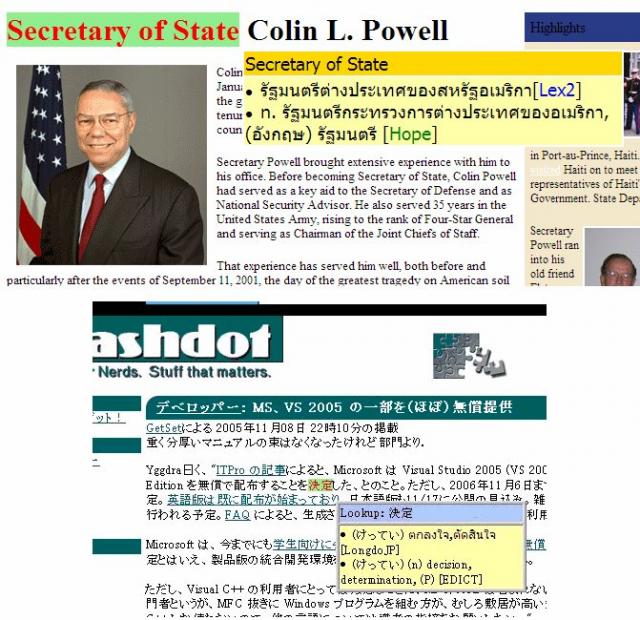
Japanese-Thai: Longdo Dictionary (UNAPPROVED version -- use with care )  **ระวัง คำแปลอาจมีข้อผิดพลาด**
それ故に[それゆえに] ดังนั้น เพราะฉะนั้น

Japanese-English: EDICT Dictionary
故に[ゆえに, yueni] (conj) (uk) therefore; consequently; (P) #9,081 [Add to Longdo]
それ故に;其れ故に[それゆえに, soreyueni] (adv) and so ... [Add to Longdo]
我思う故に我あり;我思うゆえに我あり;我思う故に我在り;我思う故に我有り(iK)[われおもうゆえにわれあり, wareomouyueniwareari] (exp) (See コギトエルゴスム) I think, therefore I am [Add to Longdo]
山高きが故に貴からず[やまたかきがゆえにたっとからず, yamatakakigayuenitattokarazu] (exp) (arch) never judge a book by its cover (lit [Add to Longdo]
故にあう;事故に遭う[じこにあう, jikoniau] (exp, v5u) to have an accident; to meet with an accident [Add to Longdo]
故に長ける[せこにたける, sekonitakeru] (exp, v1) to know much of the world [Add to Longdo]
然るが故に;しかるが故に[しかるがゆえに, shikarugayueni] (conj) as such; that being so; for that reason [Add to Longdo]
故にする[ほごにする, hogonisuru] (exp, vs-i) (1) to waste; to throw away as useless; (2) to make null and void; to revoke; to scrap [Add to Longdo]

Tanaka JP-EN Corpus w/ local updates (ตัวอย่างประโยค)
You are not to blame for the accident.あなたはその事故に責任はありませんよ。
There is something mysterious about the accident.あの事故には何かなぞめいたものがつきまとっている。
I escaped the accident by the skin of my teeth.かろうじて事故に遭わずにすんだ。
I'll answer for this accident.この事故については私が責任を負う。
There were a number of reasons for this accident.この事故には多くの原因があった。
I had a terrible accident riding this bike.この自転車に乗っててひどい事故に遭った。
I asked him about the accident.その事故について彼に質問した。
Dare you ask him about the accident?その事故について彼に尋ねる勇気がありますか。
I explained the accident to him.その事故について彼に説明した。
We were faced with an unusual situation because of the accident.その事故によって私たちは異状事態に陥った。
It is you that are responsible for the accident.その事故に対して責任があるのは君だ。 [ M ]
He is responsible for the accident.その事故に対して責任があるのは彼だ。
You must bring the person who is immediately concerned with the accident.その事故に直接関係のある人をつれてきなさい。
Dick had a traffic accident.ディックは交通事故に遭った。
I had a slight accident while trekking in Nepal.ネパールを旅行中、ちょっとした事故にあった。
Bob must have had an accident.ボブは事故にあったのに違いない。
Mary didn't refer to the accident she had seen.メアリーは自分が見た事故について触れなかった。
If he had not met the accident, he would be alive now.もしあの事故に会わなかったら、彼は今も元気でいるだろうに。
If you had been more careful, you would not have met with an accident.もっと注意していたら、君は事故にあわなかったろうに。 [ M ]
Drive more carefully, you will have an accident.もっと注意深く運転しないと、事故に遭いますよ。
Drive more carefully, or you will run into trouble.もっと注意深く運転しなければ、事故に巻き込まれますよ。
We got involved a traffic accident.我々は交通事故に巻きこまれた。
I think, therefore I am.我思う、故に我あり。
While crossing the street on my way to school, I met with an accident.学校へ行く途中で通りを横断しているときに事故に遭った。
The excited woman tried to explain about the accident all in one breath.興奮した女性は一気に事故について説明しようとした。
I was involved in a traffic accident.交通事故にあった。
We should guard against traffic accidents.交通事故には用心しなければならない。
The president made special remarks with reference accident in the nuclear reactor.最近の原発事故に関して、大統領は特別に声明を出した。
I was recently in an automobile accident.最近自動車事故に遭いました。
I heard about the accident for the first time yesterday.昨日はじめてその事故について聞きました。
We all mourned for the people killed in the accident.私たちは皆事故による死者に哀悼の意を表した。
We should always wear a seatbelt in case we have an accident.私たちは事故に遭わない様にいつもシートベルトをしておくべきだ。
My uncle met with a traffic accident yesterday.私の叔父は、昨日、交通事故にあった。
My uncle was involved in the traffic accident.私の叔父は交通事故に巻き込まれた。
While crossing the street on my way to school, I met with an accident.私は学校へ行く途中で、通りを横断しているときに事故に遭った。
I met with a traffic accident on my way back.私は帰り道に交通事故に遭った。
I met with an awful accident.私は恐ろしい事故にあった。
I think you made up that story about the accident.私は君があの事故に関してその話をデッチ上げたと見ている。 [ M ]
I had an accident at work.私は仕事中に事故に遭った。
I read about the accident in the newspaper.私は新聞でその事故について知った。
I just had an accident.故にあいました。
He worked hard none the worse for the accident.故にあったのにやはり彼は一生懸命働いた。
His account of the accident accords with yours.故についての彼の説明は君のと一致する。 [ M ]
There's been a flood of inquiries about the accident.故についての問い合わせが殺到している。
Imagine a problem such as this: Suppose your brother has a car accident.次のような問題を想像してください。あなたのお兄さんが自動車事故にあったとしましょう。
The existing law concerning car accidents requires amending.車の事故に関する現行の法は手直しが必要である。
Drivers should always be on their guard against accidents.車を運転する人は、常に交通事故に気をつけていなければならない。
The world's aviation industry is growing increasingly worried about crashes.世界の航空産業は墜落事故についての懸念を募らせている。
Nobody is to blame for the accident.誰もその事故に責任がない。
Mountaineering is attractive especially to young people because it is accompanied with hardships and adventures.登山は困難と冒険と伴うが故に、特に青年にとって魅力がある。

เพิ่มคำศัพท์


ทราบความหมายของคำศัพท์นี้? กด [เพิ่มคำศัพท์] เพื่อใส่คำนี้พร้อมความหมาย เพื่อเป็นวิทยาทานแก่ผู้ใช้ท่านอื่น ๆ


Are you satisfied with the result?


Discussions

ว่าด้วยโฆษณา
เราทราบดีว่าท่านผู้ใช้คงไม่ได้อยากให้มีโฆษณาเท่าใดนัก แต่โฆษณาช่วยให้ทาง Longdo เรามีรายรับเพียงพอที่จะให้บริการพจนานุกรมได้แบบฟรีๆ ต่อไป ดูรายละเอียดเพิ่มเติม
Go to Top