สรุปรวม “เครื่องหมายวรรคตอน” (Punctuation): ฮีโร่ผู้อยู่เบื้องหลังทุกตัวอักษร ลองจินตนาการว่าคุณกำลังอ่านบทความภาษาอังกฤษอยู่โดยที่ไม่มีช่องว่างไม่มีเครื่องหมายคำถามไม่มีจุดฟูลสต็อปและไม่มีอะไรเลยคุณคงจะรู้สึกอึดอัดและหมดแรงตั้งแต่สามประโยคแรกใช่ไหมคะ? นี่คือเหตุผลที่ เครื่องหมายวรรคตอน (Punctuation) ถูกคิดค้นขึ้นมา พวกมันไม่ได้เป็นแค่สัญลักษณ์แปลกๆ ที่ถูกสาดลงบนหน้ากระดาษ แต่เป็นเหมือน “ป้ายจราจร” ในโลกของภาษาที่คอยบอกคนอ่านว่าควรหยุดตอนไหน ควรเว้นหายใจเมื่อไหร่ และควรใส่อารมณ์กับประโยคนั้นอย่างไร เมื่อเครื่องหมายเปลี่ยน ชีวิตก็เปลี่ยน ความทรงพลังของเครื่องหมายวรรคตอนเห็นได้ชัดที่สุดผ่านตำแหน่งของมัน บ่อยครั้งที่การวางเครื่องหมายผิดที่ สามารถเปลี่ยนความหมายจากหน้ามือเป็นหลังมือ หรืออาจถึงขั้น “เปลี่ยนชีวิต” ได้เลยทีเดียว ลองดูตัวอย่างคลาสสิกในภาษาอังกฤษนี้: แบบที่...
ประโยคภาษาอังกฤษใช้บ่อยในที่ทำงาน คุณเคยเจอสถานการณ์นี้ไหม? เวลาคุยภาษาอังกฤษกับเพื่อนร่วมงานหรือชาวต่างชาติ แล้วอยากจะบอกว่า “ฉันเข้าใจที่คุณพูดนะ” แต่ในหัวกลับคิดออกอยู่ประโยคเดียวคือ “I understand” การสื่อสารที่มีเสน่ห์และดูเป็นธรรมชาติเหมือนเจ้าของภาษา (Idiomatic expressions) มักจะผสมผสานระหว่าง Simple Sentences (ประโยคความเดียวที่กระชับ ตรงประเด็น) และ Idioms หรือ Slang (สำนวนที่สละสลวย) เข้าด้วยกัน วันนี้เรามาดูตัวอย่างประโยคที่ใช้บ่อยในการทำงานและชีวิตประจำวัน เพื่ออัปเกรดภาษาอังกฤษของคุณให้ดูโปรและเป็นธรรมชาติมากขึ้น 1. หมวด: “ฉันเข้าใจสิ่งที่คุณต้องการจะสื่อ” เวลาต้องการแสดงความเข้าอกเข้าใจ หรือบอกว่าเราตามความคิดของอีกฝ่ายทัน...
อัปสกิลอินเตอร์! ด้วย “สำนวนสัตว์โลก” (Animal Idioms) สุดคิ้วท์ที่ฝรั่งใช้บ่อยมาก เคยไหมคะ? เวลานั่งดูซีรีส์เรื่องโปรด หรือคุยกับเพื่อนต่างชาติ แล้วอยู่ ๆ เขาก็พูดคำว่า “ฝนตกเป็นแมวเป็นหมา” หรือ “มีผีเสื้ออยู่ในท้อง” ขึ้นมาเสียดื้อ ๆ จนเราแอบเอ๊ะในใจว่า “ห๊ะ? แปลว่าอะไรนะ?” เพราะถ้าแปลตรงตัวเนี่ย บอกเลยว่ามึนตึ้บแน่นอนค่ะ! ในภาษาอังกฤษมีสิ่งที่เรียกว่า Idioms (สำนวน) อยู่เยอะมาก ๆ ค่ะ และหนึ่งในหมวดที่ฮิตแถมยังน่ารักสุด ๆ ก็คือ “สำนวนเกี่ยวกับสัตว์” เพราะคนสมัยก่อนมักจะหยิบยกพฤติกรรมของเจ้าพวกสี่ขาหรือสัตว์รอบตัวมาเปรียบเปรยกับนิสัยของมนุษย์ วันนี้เราจะพาทุกคนไปอัปคลังคำศัพท์กับสำนวนสัตว์โลกสุดฮิตที่รู้ไว้ ได้ใช้ในชีวิตประจำวันแน่นอนค่ะ! 🐶...
Today’s Lesson: เมคอัพสไตล์ “ปรุงจืด” ในภาษาอังกฤษ ถ้าพูดถึงเทรนด์บิวตี้ที่มาแรงและยืนหนึ่งในใจใครหลายคนตอนนี้ คงหนีไม่พ้นการแต่งหน้าโทนละมุน ๆ นวล ๆ หรือที่ชาวเน็ตไทยเรียกกันอย่างเอ็นดูว่า “แต่งหน้าแบบปรุงจืด”  คำว่า ปรุงจืด ในที่นี้ไม่ได้แปลว่าจืดชืดไร้มิติ แต่หมายถึงการแต่งหน้าเน้นความสวยแบบธรรมชาติ ไม่เน้นสีสันที่ฉูดฉาด ไม่คัดเบ้าตาแน่น หรือ กรีดอายไลเนอร์คมกริบ แต่เป็นการ “แต่งเหมือนไม่ได้แต่ง” ที่ดูแพงและสบายตา แล้วถ้าเราอยากจะอธิบายลุคนี้เป็นภาษาอังกฤษล่ะ? จะใช้คำว่าอะไรให้ตรงเรฟและอินเทรนด์ที่สุด วันนี้เราสรุปมาให้แล้ว 3 คีย์เวิร์ดภาษาอังกฤษของสาว...
Search result for

採用しない

   
Languages
Dictionaries languages


Chinese Phonetic Symbols


ลองค้นหาคำในรูปแบบอื่น ๆ เพื่อให้ได้ผลลัพธ์มากขึ้นหรือน้อยลง: -採用しない-, *採用しない*
Some results are hidden.
configure
Dictionaries languages


Chinese Phonetic Symbols


Japanese-English: EDICT Dictionary
採用しない[さいようしない, saiyoushinai] (n) { comp } not supported [Add to Longdo]

Japanese-English: COMPDICT Dictionary
採用しない[さいようしない, saiyoushinai] not supported [Add to Longdo]

ตัวอย่างประโยค จาก Open Subtitles  **ระวัง คำแปลอาจมีข้อผิดพลาด**
I chose not to recruit her, so no, [JP] 採用しないことに 決めました Survivor Zero (2014)
I would like to question the authenticity of these photographs, and I ask the court to make them inadmissible.[JP] これらの写真の信憑性に対して 質問したいと思いますし - - 裁判所に採用しないことを 要求します A War (2015)

add this word


You know the meaning of this word? click [add this word] to add this word to our database with its meaning, to impart your knowledge for the general benefit


ติดโพย (PopThai)
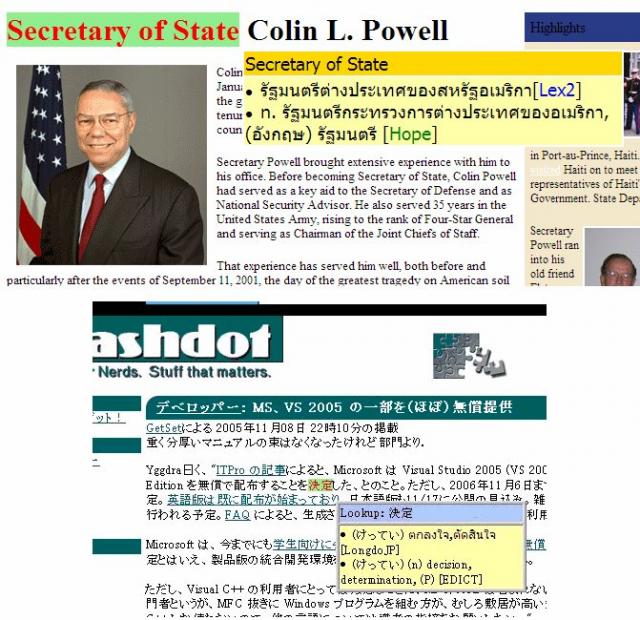
 Move your mouse over the text to see pop-up windows.


採用(さいよう)ない


採用
  • (さいよう) ประยุกต์ใช้ [LongdoJP]
  • (さいよう) (n,vs) (1) use; adoption; acceptance; (2) appointment; employment; engagement; (P) [EDICT]
  • (cǎi yòng, ㄘㄞˇ ㄩㄥˋ) to adopt; to employ; to use [CE-DICT]
する
  • () (conj) thereupon; hereupon; (P) [EDICT]
  • () (adv,adv-to) (on-mim) with a smooth, unhindered motion; speedily and without delay [EDICT]
  • (為る) (vs-i) (1) (uk) to do; (2) to cause to become; to make (into); to turn (into); (3) to serve as; to act as; to work as; (4) to wear (clothes, a facial expression, etc.); (5) (as 〜にする,〜とする) to judge as being; to view as being; to think of as; to treat as; to use as; (6) to decide on; to choose; (vs-i,vi) (7) (as 〜がする) to be sensed (of a smell, noise, etc.); (8) to be (in a state, condition, etc.); (9) to be worth; to cost; (10) to pass (of time); to elapse; (suf,vs-i) (11) verbalizing suffix (applies to nouns noted in this dictionary with the part of speech "vs"); (aux-v,vs-i) (12) (See お願いします,御・お) creates a humble verb (after a noun prefixed with "o" or "go"); (13) (as 〜うとする,〜ようとする) (See とする・1) to be just about to; to be just starting to; to try to; to attempt to; (P) [EDICT]
  • (刷る) (v5r,vt) (1) to print; (2) to color or pattern fabric using a wooden mold; (P) [EDICT]
  • (摺る) (v5r,vt) (1) to print; (2) to color or pattern fabric using a wooden mold; (P) [EDICT]
  • (擦る) (v5r,vt) (1) to rub; to chafe; to strike (match); to file; to frost (glass); (2) to lose (e.g. a match); to forfeit; to squander one's money (e.g. through gambling, Pachinko, etc.); (P) [EDICT]
  • (摩る) (v5r,vt) (1) to rub; to chafe; to strike (match); to file; to frost (glass); (2) to lose (e.g. a match); to forfeit; to squander one's money (e.g. through gambling, Pachinko, etc.); (P) [EDICT]
  • (磨る) (v5r,vt) (1) to rub; to chafe; to strike (match); to file; to frost (glass); (2) to lose (e.g. a match); to forfeit; to squander one's money (e.g. through gambling, Pachinko, etc.); (P) [EDICT]
  • (擂る) (v5r,vt) (1) to rub; to chafe; to strike (match); to file; to frost (glass); (2) to lose (e.g. a match); to forfeit; to squander one's money (e.g. through gambling, Pachinko, etc.); (P) [EDICT]
  • (掏る) (v5r,vt) (See 掏摸) to pick someone's pocket [EDICT]
ない
  • () (exp) (1) (See ませんか) (used to ask a question in the negative) won't (hasn't, isn't, doesn't, etc.); (2) (used to make invitations, express desires or give indirect commands) won't you [EDICT]
  • () (conj,aux) (1) (See ない) without doing ...; (aux) (2) used in sentence-final position as an indirect prohibition [EDICT]
  • (内) (suf) inside; within [EDICT]
  • (亡い) (adj-i) (See 無い) dead [EDICT]
  • (無い) (adj-i) (1) (uk) (See 亡い) nonexistent; not being (there); (2) unpossessed; unowned; not had; (3) (See またとない) unique; (4) (as ...ことがない, etc.) indicates negation, inexperience, unnecessariness or impossibility; (aux-adj) (5) (See ない) (after the ren'youkei form of an adjective) not ...; (6) (after the -te form of a verb) to not be...; to have not ...; (P) [EDICT]


Search other online dictionaries

English/Thai Dictionary
Thai Dictionary and related
English/Thai Dictionary Software Application
English/English Dictionary
 

Japanese Dictionary
German and German/English Dictionaries
Other translation and dictionary websites
Other interesting resources

Do you know the meaning of this word?

You can Suggest your own translation to Longdo

Discussions

About our ads
We know you don’t love ads. But we need ads to keep Longdo Dictionary FREE for users. Thanks for your understanding! Click here to find out more.
Go to Top