สรุปรวม “เครื่องหมายวรรคตอน” (Punctuation): ฮีโร่ผู้อยู่เบื้องหลังทุกตัวอักษร ลองจินตนาการว่าคุณกำลังอ่านบทความภาษาอังกฤษอยู่โดยที่ไม่มีช่องว่างไม่มีเครื่องหมายคำถามไม่มีจุดฟูลสต็อปและไม่มีอะไรเลยคุณคงจะรู้สึกอึดอัดและหมดแรงตั้งแต่สามประโยคแรกใช่ไหมคะ? นี่คือเหตุผลที่ เครื่องหมายวรรคตอน (Punctuation) ถูกคิดค้นขึ้นมา พวกมันไม่ได้เป็นแค่สัญลักษณ์แปลกๆ ที่ถูกสาดลงบนหน้ากระดาษ แต่เป็นเหมือน “ป้ายจราจร” ในโลกของภาษาที่คอยบอกคนอ่านว่าควรหยุดตอนไหน ควรเว้นหายใจเมื่อไหร่ และควรใส่อารมณ์กับประโยคนั้นอย่างไร เมื่อเครื่องหมายเปลี่ยน ชีวิตก็เปลี่ยน ความทรงพลังของเครื่องหมายวรรคตอนเห็นได้ชัดที่สุดผ่านตำแหน่งของมัน บ่อยครั้งที่การวางเครื่องหมายผิดที่ สามารถเปลี่ยนความหมายจากหน้ามือเป็นหลังมือ หรืออาจถึงขั้น “เปลี่ยนชีวิต” ได้เลยทีเดียว ลองดูตัวอย่างคลาสสิกในภาษาอังกฤษนี้: แบบที่...
อัปสกิลอินเตอร์! ด้วย “สำนวนสัตว์โลก” (Animal Idioms) สุดคิ้วท์ที่ฝรั่งใช้บ่อยมาก เคยไหมคะ? เวลานั่งดูซีรีส์เรื่องโปรด หรือคุยกับเพื่อนต่างชาติ แล้วอยู่ ๆ เขาก็พูดคำว่า “ฝนตกเป็นแมวเป็นหมา” หรือ “มีผีเสื้ออยู่ในท้อง” ขึ้นมาเสียดื้อ ๆ จนเราแอบเอ๊ะในใจว่า “ห๊ะ? แปลว่าอะไรนะ?” เพราะถ้าแปลตรงตัวเนี่ย บอกเลยว่ามึนตึ้บแน่นอนค่ะ! ในภาษาอังกฤษมีสิ่งที่เรียกว่า Idioms (สำนวน) อยู่เยอะมาก ๆ ค่ะ และหนึ่งในหมวดที่ฮิตแถมยังน่ารักสุด ๆ ก็คือ “สำนวนเกี่ยวกับสัตว์” เพราะคนสมัยก่อนมักจะหยิบยกพฤติกรรมของเจ้าพวกสี่ขาหรือสัตว์รอบตัวมาเปรียบเปรยกับนิสัยของมนุษย์ วันนี้เราจะพาทุกคนไปอัปคลังคำศัพท์กับสำนวนสัตว์โลกสุดฮิตที่รู้ไว้ ได้ใช้ในชีวิตประจำวันแน่นอนค่ะ! 🐶...
Today’s Lesson: เมคอัพสไตล์ “ปรุงจืด” ในภาษาอังกฤษ ถ้าพูดถึงเทรนด์บิวตี้ที่มาแรงและยืนหนึ่งในใจใครหลายคนตอนนี้ คงหนีไม่พ้นการแต่งหน้าโทนละมุน ๆ นวล ๆ หรือที่ชาวเน็ตไทยเรียกกันอย่างเอ็นดูว่า “แต่งหน้าแบบปรุงจืด”  คำว่า ปรุงจืด ในที่นี้ไม่ได้แปลว่าจืดชืดไร้มิติ แต่หมายถึงการแต่งหน้าเน้นความสวยแบบธรรมชาติ ไม่เน้นสีสันที่ฉูดฉาด ไม่คัดเบ้าตาแน่น หรือ กรีดอายไลเนอร์คมกริบ แต่เป็นการ “แต่งเหมือนไม่ได้แต่ง” ที่ดูแพงและสบายตา แล้วถ้าเราอยากจะอธิบายลุคนี้เป็นภาษาอังกฤษล่ะ? จะใช้คำว่าอะไรให้ตรงเรฟและอินเทรนด์ที่สุด วันนี้เราสรุปมาให้แล้ว 3 คีย์เวิร์ดภาษาอังกฤษของสาว...
ประโยคภาษาอังกฤษใช้บ่อยในที่ทำงาน คุณเคยเจอสถานการณ์นี้ไหม? เวลาคุยภาษาอังกฤษกับเพื่อนร่วมงานหรือชาวต่างชาติ แล้วอยากจะบอกว่า “ฉันเข้าใจที่คุณพูดนะ” แต่ในหัวกลับคิดออกอยู่ประโยคเดียวคือ “I understand” การสื่อสารที่มีเสน่ห์และดูเป็นธรรมชาติเหมือนเจ้าของภาษา (Idiomatic expressions) มักจะผสมผสานระหว่าง Simple Sentences (ประโยคความเดียวที่กระชับ ตรงประเด็น) และ Idioms หรือ Slang (สำนวนที่สละสลวย) เข้าด้วยกัน วันนี้เรามาดูตัวอย่างประโยคที่ใช้บ่อยในการทำงานและชีวิตประจำวัน เพื่ออัปเกรดภาษาอังกฤษของคุณให้ดูโปรและเป็นธรรมชาติมากขึ้น 1. หมวด: “ฉันเข้าใจสิ่งที่คุณต้องการจะสื่อ” เวลาต้องการแสดงความเข้าอกเข้าใจ หรือบอกว่าเราตามความคิดของอีกฝ่ายทัน...
ผลลัพธ์การค้นหาสำหรับ

所得不平等度係数

   
ภาษา
Dictionaries languages

English Phonetic Symbols


Chinese Phonetic Symbols


ลองค้นหาคำในรูปแบบอื่น ๆ เพื่อให้ได้ผลลัพธ์มากขึ้นหรือน้อยลง: -所得不平等度係数-, *所得不平等度係数*
มีผลลัพธ์ที่ไม่แสดงผลอยู่
ปรับการตั้งค่า
Dictionaries languages

English Phonetic Symbols


Chinese Phonetic Symbols


Japanese-English: EDICT Dictionary
所得不平等度係数[しょとくふびょうどうどけいすう, shotokufubyoudoudokeisuu] (n) (See ジニ係数) Gini coefficient; Gini's coefficient [Add to Longdo]

เพิ่มคำศัพท์


ทราบความหมายของคำศัพท์นี้? กด [เพิ่มคำศัพท์] เพื่อใส่คำนี้พร้อมความหมาย เพื่อเป็นวิทยาทานแก่ผู้ใช้ท่านอื่น ๆ


ติดโพย (PopThai)
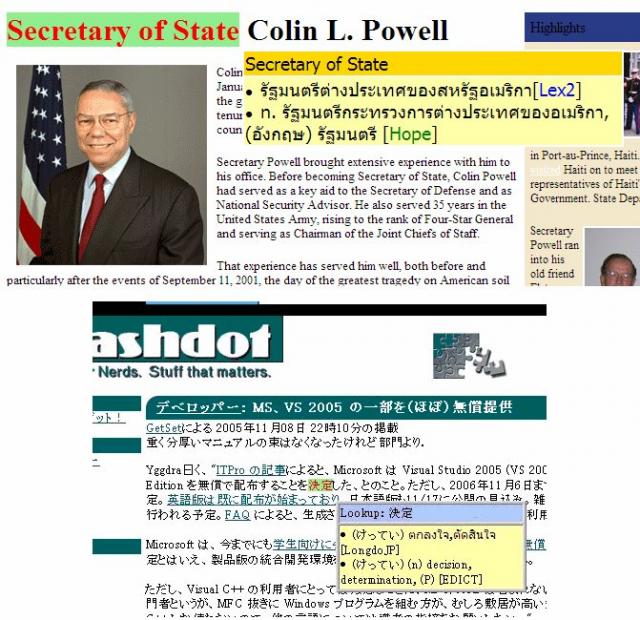
 วางเมาส์ที่คำศัพท์เพื่อแสดงป๊อปอัป


所得 (suǒ dé) ()平等 (píng děng) () () (shǔ)


  • (しょ) (suf,ctr) counter for places [EDICT]
  • (ところ(P);とこ(所)) (n,suf) (1) (also pronounced どころ when a suffix) place; spot; scene; site; (2) address; (3) district; area; locality; (4) one's house; (5) point; (6) part; (7) space; room; (8) (uk) (after the plain past form of a verb) whereupon; as a result; (9) (after present form of a verb) about to; on the verge of; (P) [EDICT]
  • (suǒ, ㄙㄨㄛˇ) actually; place; classifier for houses, small buildings, institutions etc; that which; particle introducing a relative clause or passive [CE-DICT]
  • (う) (v2a-s,vt) (1) (See 得る・うる) to get; to acquire; to obtain; to procure; to earn; to win; to gain; to secure; to attain; (2) (as 〜することを得, etc.) to be possible [EDICT]
  • (とく) (adj-na,n) (1) (also written as 徳) profit; advantage; benefit; gain; (2) {Buddh} rebirth in paradise, entering nirvana; (P) [EDICT]
  • (dé, ㄉㄜˊ) to obtain; to get; to gain; to catch (a disease); proper; suitable; proud; contented; to allow; to permit; ready; finished [CE-DICT]
  • (de, ㄉㄜ˙) structural particle: used after a verb (or adjective as main verb), linking it to following phrase indicating effect, degree, possibility etc [CE-DICT]
  • (děi, ㄉㄟˇ) to have to; must; ought to; to need to [CE-DICT]
  • (ふ) (pref) un-; non-; negative prefix [EDICT]
  • (ぶ) (pref) (1) un-; non-; (2) bad ...; poor ... [EDICT]
  • (bù, ㄅㄨˋ) (negative prefix); not; no [CE-DICT]
  • (ひら;ヒラ) (n) (1) something broad and flat; palm of the hand; (2) common; ordinary; (3) (abbr) (See 平社員) low-ranking employee; freshman; novice; private [EDICT]
  • (píng, ㄆㄧㄥˊ) flat; level; equal; to tie (make the same score); to draw (score); calm; peaceful; level or even tone (i.e. first and second tones in classical Chinese); surname Ping [CE-DICT]
  • (とう) (n,n-suf,ctr) (1) class; order; rank; (suf) (2) (See 等・など) et cetera (etc.); and the like; (pref) (3) equal [EDICT]
  • (ら) (suf) (1) pluralizing suffix (often humble, derogatory or familiar); and others; et alios; and the like; and followers; (2) (See あちら,いくら) or so (rough indicator of direction, location, amount, etc.); (3) (See 清ら) (after the stem of an adjective) nominalizing suffix [EDICT]
  • (など) (n,n-suf,prt) (1) (uk) et cetera; etc.; and the like; and so forth; (2) (indicating an approximate quote or vague suggestion) or something; (3) (lessening the significance or value of the previous word) the likes of; (P) [EDICT]
  • (děng, ㄉㄥˇ) class; rank; grade; equal to; same as; wait for; await; et cetera; and so on; et al. (and other authors); after; as soon as; once [CE-DICT]
  • (たび(P);たんび) (n,n-suf,ctr) time (three times, each time, etc.); times; (P) [EDICT]
  • (ど) (n,n-suf) (1) degree (angle, temperature, scale, etc.); (ctr) (2) counter for occurrences and times; (3) strength (of alcohol); (P) [EDICT]
  • (dù, ㄉㄨˋ) capacity; degree; degrees (of temperature); standard [CE-DICT]
  • (duó, ㄉㄨㄛˊ) estimate [CE-DICT]
  • (かかり) (n) (1) (esp. 係) (See 掛かり・かかり・5) charge; duty; person in charge; official; clerk; (2) {ling} (esp. 係り) (See 係り結び) connection; linking; (P) [EDICT]
  • (がかり) (suf) (掛 is often used for government offices, railways, etc.) (See 係・かかり・1,掛かり・かかり・5) charge; duty; person in charge; official; clerk [EDICT]
  • (xì, ㄒㄧˋ) be; connection; relation; tie up; bind [CE-DICT]
  • (かず) จำนวน [LongdoJP]
  • (しばしば) (adv) (uk) (See 度々・たびたび) often; again and again; frequently; (P) [EDICT]
  • (かず) (n) number; amount; (P) [EDICT]
  • (すう) (pref) (1) several; a number of; (n) (2) number; numeral; figure; (3) destiny; fate; (4) law; (P) [EDICT]
  • (shǔ, ㄕㄨˇ) to count [CE-DICT]
  • (shù, ㄕㄨˋ) number; figure; to count; to calculate; several [CE-DICT]
  • (shuò, ㄕㄨㄛˋ) frequently; repeatedly [CE-DICT]


Search other online dictionaries

English/Thai Dictionary
Thai Dictionary and related
English/Thai Dictionary Software Application
English/English Dictionary
 

Japanese Dictionary
German and German/English Dictionaries
Other translation and dictionary websites
Other interesting resources

Do you know the meaning of this word?

You can Suggest your own translation to Longdo

Discussions

ว่าด้วยโฆษณา
เราทราบดีว่าท่านผู้ใช้คงไม่ได้อยากให้มีโฆษณาเท่าใดนัก แต่โฆษณาช่วยให้ทาง Longdo เรามีรายรับเพียงพอที่จะให้บริการพจนานุกรมได้แบบฟรีๆ ต่อไป ดูรายละเอียดเพิ่มเติม
Go to Top