สรุปรวม “เครื่องหมายวรรคตอน” (Punctuation): ฮีโร่ผู้อยู่เบื้องหลังทุกตัวอักษร ลองจินตนาการว่าคุณกำลังอ่านบทความภาษาอังกฤษอยู่โดยที่ไม่มีช่องว่างไม่มีเครื่องหมายคำถามไม่มีจุดฟูลสต็อปและไม่มีอะไรเลยคุณคงจะรู้สึกอึดอัดและหมดแรงตั้งแต่สามประโยคแรกใช่ไหมคะ? นี่คือเหตุผลที่ เครื่องหมายวรรคตอน (Punctuation) ถูกคิดค้นขึ้นมา พวกมันไม่ได้เป็นแค่สัญลักษณ์แปลกๆ ที่ถูกสาดลงบนหน้ากระดาษ แต่เป็นเหมือน “ป้ายจราจร” ในโลกของภาษาที่คอยบอกคนอ่านว่าควรหยุดตอนไหน ควรเว้นหายใจเมื่อไหร่ และควรใส่อารมณ์กับประโยคนั้นอย่างไร เมื่อเครื่องหมายเปลี่ยน ชีวิตก็เปลี่ยน ความทรงพลังของเครื่องหมายวรรคตอนเห็นได้ชัดที่สุดผ่านตำแหน่งของมัน บ่อยครั้งที่การวางเครื่องหมายผิดที่ สามารถเปลี่ยนความหมายจากหน้ามือเป็นหลังมือ หรืออาจถึงขั้น “เปลี่ยนชีวิต” ได้เลยทีเดียว ลองดูตัวอย่างคลาสสิกในภาษาอังกฤษนี้: แบบที่...
อ่านผิดไม่ใช่เรื่องแปลก! คำว่า “Odyssey” หนังเรื่องดัง จริงๆ อ่านว่าอะไรกันแน่? 🎬✨ ช่วงนี้ใครๆ ก็พูดถึงภาพยนตร์เรื่องใหม่อย่าง “Odyssey” หนังมหากาพย์ระดับโลกที่สร้างจากมหากาพย์ของ Odysseus เรื่องราวการผจญภัยเดินทางกลับบ้านอันยาวนาน แต่ก่อนจะชวนเพื่อนไปดูหนัง ลองเช็กกันหน่อยว่าคุณกำลังออกเสียงชื่อหนังเรื่องนี้ถูกต้องอยู่หรือเปล่า? 💡 แล้ว “Odyssey” ที่ถูกต้องอ่านว่าอะไร? คำนี้ออกเสียงที่ถูกต้องว่า “ออ-เดอะ-สี่” (/ˈɑː.də.si/) ✅ โดยเน้นลงเสียงหนัก (Stress) ที่พยางค์แรก “ออ” ทำไมคนส่วนใหญ่ถึงอ่านผิดเป็น “โอดิสซี่”? ถ้ารู้จักหลักการออกเสียง 3 ข้อนี้ แล้วจะเก็ททันทีว่าทำไมเราถึงหลงอ่านผิดกันมาตั้งนาน: 🌊...
ประโยคภาษาอังกฤษใช้บ่อยในที่ทำงาน คุณเคยเจอสถานการณ์นี้ไหม? เวลาคุยภาษาอังกฤษกับเพื่อนร่วมงานหรือชาวต่างชาติ แล้วอยากจะบอกว่า “ฉันเข้าใจที่คุณพูดนะ” แต่ในหัวกลับคิดออกอยู่ประโยคเดียวคือ “I understand” การสื่อสารที่มีเสน่ห์และดูเป็นธรรมชาติเหมือนเจ้าของภาษา (Idiomatic expressions) มักจะผสมผสานระหว่าง Simple Sentences (ประโยคความเดียวที่กระชับ ตรงประเด็น) และ Idioms หรือ Slang (สำนวนที่สละสลวย) เข้าด้วยกัน วันนี้เรามาดูตัวอย่างประโยคที่ใช้บ่อยในการทำงานและชีวิตประจำวัน เพื่ออัปเกรดภาษาอังกฤษของคุณให้ดูโปรและเป็นธรรมชาติมากขึ้น 1. หมวด: “ฉันเข้าใจสิ่งที่คุณต้องการจะสื่อ” เวลาต้องการแสดงความเข้าอกเข้าใจ หรือบอกว่าเราตามความคิดของอีกฝ่ายทัน...
Search result for

可愛さ余って憎さ百倍

   
Languages
Dictionaries languages


Chinese Phonetic Symbols


ลองค้นหาคำในรูปแบบอื่น ๆ เพื่อให้ได้ผลลัพธ์มากขึ้นหรือน้อยลง: -可愛さ余って憎さ百倍-, *可愛さ余って憎さ百倍*
Some results are hidden.
configure
Dictionaries languages


Chinese Phonetic Symbols


Japanese-English: EDICT Dictionary
可愛さ余って憎さ百倍[かわいさあまってにくさひゃくばい, kawaisaamattenikusahyakubai] (exp) (id) Excessive tenderness switches to hundredfold hatred [Add to Longdo]

add this word


You know the meaning of this word? click [add this word] to add this word to our database with its meaning, to impart your knowledge for the general benefit


ติดโพย (PopThai)
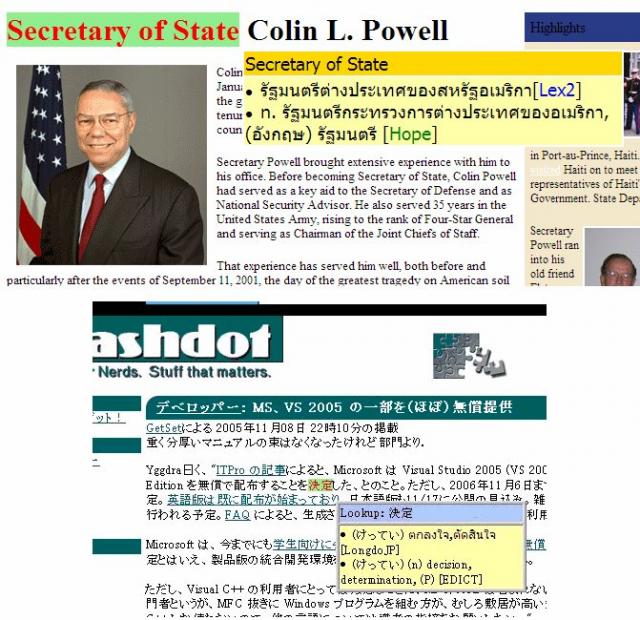
 Move your mouse over the text to see pop-up windows.


可愛(かわい)余っ(あまっ)(にく)(ひゃく)(ばい)


可愛い
  • (かわいい) น่ารัก [LongdoJP]
  • (かわいい(可愛い)(P);かわゆい(ok)) (adj-i) (1) cute; adorable; charming; lovely; pretty; (2) dear; precious; darling; pet; (3) cute little; tiny; (P) [EDICT]
  • () (conj,int) come; come now; (P) [EDICT]
  • () (n) blowfly maggots used as fishing bait [EDICT]
  • () (v5s,vt) (1) (See 為せる・1) to make (someone) do; (2) (See 為せる・2) to allow (someone) to; (aux-v,v5s) (3) auxiliary verb indicating the causative; (4) auxiliary verb indicating that one has been granted the permission to do something; (5) auxiliary verb used to make verbs more "active"; (6) auxiliary verb used as an extreme honorific for others' actions; (n) (7) (arch) swidden [EDICT]
  • () (suf) (1) Mr, Mrs, Miss or Ms; (2) honorific used with occupational titles; (P) [EDICT]
  • () (n) (1) hook (high point of a song); (2) (さび only) (abbr) (See 山葵) (at a sushi shop) wasabi [EDICT]
  • (左) (n,adj-no) left (esp. in vertical Japanese writing); the following [EDICT]
  • (差) (n,n-suf) difference; variation; (P) [EDICT]
  • (然) (adv) (arch) so; like that; in that way [EDICT]
余る
  • (あまる) (v5r,vi) (See 余り) to remain; to be left over; to be in excess; to be too many; (P) [EDICT]
  • () (conj) (col) (See と言うか) or rather (say); or better (say); or perhaps I should say; or, how should I put it,...; I mean [EDICT]
  • () (prt) a sort of thing like; used after a phrase to modify the following noun [EDICT]
  • () (prt) (1) (also でも, っても) even if; even though; (int) (2) (abbr) (See さても) wow [EDICT]
  • (手) (n) (1) (occ. pronounced た when a prefix) (See お手・おて・1) hand; arm; (2) (col) (See お手・おて・3) forepaw; foreleg; (3) handle; (4) hand; worker; help; (5) trouble; care; effort; (6) means; way; trick; move; technique; workmanship; (7) hand; handwriting; (8) kind; type; sort; (9) (See 手に入る) one's hands; one's possession; (10) (See 手に余る) ability to cope; (11) hand (of cards); (12) (See 山の手・1) direction; (P) [EDICT]
憎い
  • (にくい) (adj-i) (1) hateful; abominable; poor-looking; detestable; (2) (often with irony) amazing; fantastic; admirable; lovely; wonderful; (P) [EDICT]
  • (ひゃく) หนึ่งร้อย [LongdoJP]
  • (ひゃく(P);もも) (num) 100; hundred; (P) [EDICT]
  • (bǎi, ㄅㄞˇ) hundred; 100 [CE-DICT]
  • (ばい) เท่า(ลักษณนาม) [LongdoJP]
  • (ばい) (n) (1) twice; double; (suf) (2) times; -fold; (P) [EDICT]
  • (bèi, ㄅㄟˋ) (two, three etc) -fold; times (multiplier); double; to increase or multiply [CE-DICT]


Search other online dictionaries

English/Thai Dictionary
Thai Dictionary and related
English/Thai Dictionary Software Application
English/English Dictionary
 

Japanese Dictionary
German and German/English Dictionaries
Other translation and dictionary websites
Other interesting resources

Do you know the meaning of this word?

You can Suggest your own translation to Longdo

Discussions

About our ads
We know you don’t love ads. But we need ads to keep Longdo Dictionary FREE for users. Thanks for your understanding! Click here to find out more.
Go to Top