ประโยคภาษาอังกฤษใช้บ่อยในที่ทำงาน คุณเคยเจอสถานการณ์นี้ไหม? เวลาคุยภาษาอังกฤษกับเพื่อนร่วมงานหรือชาวต่างชาติ แล้วอยากจะบอกว่า “ฉันเข้าใจที่คุณพูดนะ” แต่ในหัวกลับคิดออกอยู่ประโยคเดียวคือ “I understand” การสื่อสารที่มีเสน่ห์และดูเป็นธรรมชาติเหมือนเจ้าของภาษา (Idiomatic expressions) มักจะผสมผสานระหว่าง Simple Sentences (ประโยคความเดียวที่กระชับ ตรงประเด็น) และ Idioms หรือ Slang (สำนวนที่สละสลวย) เข้าด้วยกัน วันนี้เรามาดูตัวอย่างประโยคที่ใช้บ่อยในการทำงานและชีวิตประจำวัน เพื่ออัปเกรดภาษาอังกฤษของคุณให้ดูโปรและเป็นธรรมชาติมากขึ้น 1. หมวด: “ฉันเข้าใจสิ่งที่คุณต้องการจะสื่อ” เวลาต้องการแสดงความเข้าอกเข้าใจ หรือบอกว่าเราตามความคิดของอีกฝ่ายทัน...
อัปสกิลอินเตอร์! ด้วย “สำนวนสัตว์โลก” (Animal Idioms) สุดคิ้วท์ที่ฝรั่งใช้บ่อยมาก เคยไหมคะ? เวลานั่งดูซีรีส์เรื่องโปรด หรือคุยกับเพื่อนต่างชาติ แล้วอยู่ ๆ เขาก็พูดคำว่า “ฝนตกเป็นแมวเป็นหมา” หรือ “มีผีเสื้ออยู่ในท้อง” ขึ้นมาเสียดื้อ ๆ จนเราแอบเอ๊ะในใจว่า “ห๊ะ? แปลว่าอะไรนะ?” เพราะถ้าแปลตรงตัวเนี่ย บอกเลยว่ามึนตึ้บแน่นอนค่ะ! ในภาษาอังกฤษมีสิ่งที่เรียกว่า Idioms (สำนวน) อยู่เยอะมาก ๆ ค่ะ และหนึ่งในหมวดที่ฮิตแถมยังน่ารักสุด ๆ ก็คือ “สำนวนเกี่ยวกับสัตว์” เพราะคนสมัยก่อนมักจะหยิบยกพฤติกรรมของเจ้าพวกสี่ขาหรือสัตว์รอบตัวมาเปรียบเปรยกับนิสัยของมนุษย์ วันนี้เราจะพาทุกคนไปอัปคลังคำศัพท์กับสำนวนสัตว์โลกสุดฮิตที่รู้ไว้ ได้ใช้ในชีวิตประจำวันแน่นอนค่ะ! 🐶...
Today’s Lesson: เมคอัพสไตล์ “ปรุงจืด” ในภาษาอังกฤษ ถ้าพูดถึงเทรนด์บิวตี้ที่มาแรงและยืนหนึ่งในใจใครหลายคนตอนนี้ คงหนีไม่พ้นการแต่งหน้าโทนละมุน ๆ นวล ๆ หรือที่ชาวเน็ตไทยเรียกกันอย่างเอ็นดูว่า “แต่งหน้าแบบปรุงจืด”  คำว่า ปรุงจืด ในที่นี้ไม่ได้แปลว่าจืดชืดไร้มิติ แต่หมายถึงการแต่งหน้าเน้นความสวยแบบธรรมชาติ ไม่เน้นสีสันที่ฉูดฉาด ไม่คัดเบ้าตาแน่น หรือ กรีดอายไลเนอร์คมกริบ แต่เป็นการ “แต่งเหมือนไม่ได้แต่ง” ที่ดูแพงและสบายตา แล้วถ้าเราอยากจะอธิบายลุคนี้เป็นภาษาอังกฤษล่ะ? จะใช้คำว่าอะไรให้ตรงเรฟและอินเทรนด์ที่สุด วันนี้เราสรุปมาให้แล้ว 3 คีย์เวิร์ดภาษาอังกฤษของสาว...
ผลลัพธ์การค้นหาสำหรับ

反共主義

   
ภาษา
Dictionaries languages

English Phonetic Symbols


Chinese Phonetic Symbols


ลองค้นหาคำในรูปแบบอื่น ๆ เพื่อให้ได้ผลลัพธ์มากขึ้นหรือน้อยลง: -反共主義-, *反共主義*
มีผลลัพธ์ที่ไม่แสดงผลอยู่
ปรับการตั้งค่า
Dictionaries languages

English Phonetic Symbols


Chinese Phonetic Symbols


Chinese-English: CC-CEDICT Dictionary
反共主义[fǎn gòng zhǔ yì, ㄈㄢˇ ㄍㄨㄥˋ ㄓㄨˇ ㄧˋ,     /    ] anti-communism [Add to Longdo]

Japanese-English: EDICT Dictionary
反共主義[はんきょうしゅぎ, hankyoushugi] (n) anticommunism; anti-communism [Add to Longdo]

เพิ่มคำศัพท์


ทราบความหมายของคำศัพท์นี้? กด [เพิ่มคำศัพท์] เพื่อใส่คำนี้พร้อมความหมาย เพื่อเป็นวิทยาทานแก่ผู้ใช้ท่านอื่น ๆ


ติดโพย (PopThai)
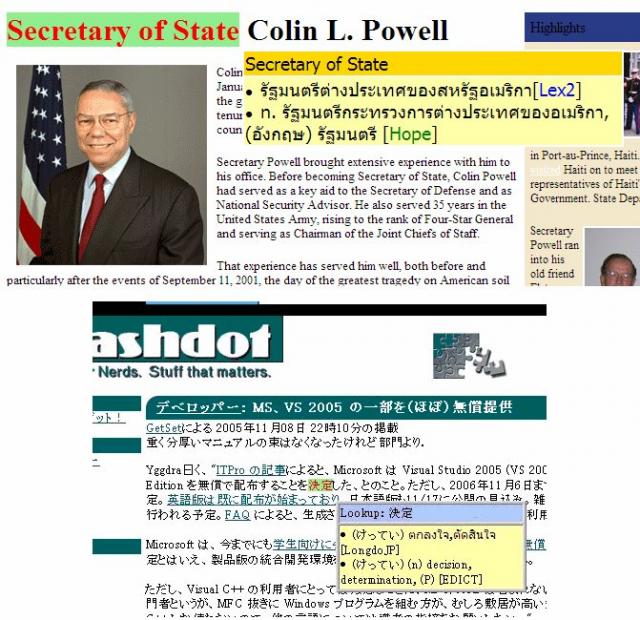
 วางเมาส์ที่คำศัพท์เพื่อแสดงป๊อปอัป


反共 (fǎn gòng)主義 (zhǔ yì)


  • (はん) (n,vs,n-pref) anti-; opposite; antithesis; antagonism; (P) [EDICT]
  • (たん) (n,n-pref) (1) variable measure of fabric (28.8 cm in width); for kimonos [EDICT]
  • (fǎn, ㄈㄢˇ) contrary; in reverse; inside-out or upside-down; to reverse; to return; to oppose; opposite; against; anti-; to rebel; to use analogy; instead; abbr. for 反切 phonetic system [CE-DICT]
  • (ごと;ぐち(ok)) (suf) (uk) including...; inclusive of; ...and all [EDICT]
  • (とも) (n,n-pref) (1) together with; (2) same; (suf) (3) (uk) both; all; neither; none; (4) (uk) including ...; (P) [EDICT]
  • (ども) (suf) (1) (hum) first-person plural (or singular); (2) second or third person plural (implies speaker is of higher status than those referred to); (P) [EDICT]
  • (むた;みた(共)) (n) (arch) (after noun+が, pronoun+の, etc.) together with ... [EDICT]
  • (gòng, ㄍㄨㄥˋ) common; general; to share; together; total; altogether [CE-DICT]
  • (しゅ(P);しゅう(ok)) (n,adj-no) (1) (one's) master; (2) (しゅ only) Lord (Christian ref. to Jesus or God); (3) (しゅ only) (See 主たる,主として) the main thing; the majority; the primary concern; (P) [EDICT]
  • (にし;のし) (pn) (arch) (fam) (See 主・ぬし・6) you [EDICT]
  • (ぬし) (n) (1) head (of a household, etc.); leader; master; (2) owner; proprietor; proprietress; (3) subject (of a rumour, etc.); doer (of a deed); (4) guardian spirit (e.g. long-resident beast, usu. with mystical powers); long-time resident (or employee, etc.); (5) husband; (pn) (6) (fam) (See おぬし) you; (P) [EDICT]
  • (おも) (adj-na,n) (1) (See 主な,主に) chief; main; principal; important; (2) (abbr) (usu. written as オモ) (See 重あど) main secondary or supporting role (in kyogen); (P) [EDICT]
  • (す) (suf) (arch) (hon) honorific (or familiar) suffix used after a name [EDICT]
  • (あるじ) (n) (1) (abbr) head (of a household); proprietor (of a store); proprietress; landlord; landlady; master (of a servant); (2) (arch) (also written as 饗) (See 饗設け) entertaining someone as one's guest [EDICT]
  • (zhǔ, ㄓㄨˇ) to own; to host; master; lord; primary [CE-DICT]
  • (ぎ) (n,adj-no) (1) morality; righteousness; justice; honour (honor); (2) meaning; (3) {Buddh} teachings; doctrine; (n,n-pref) (4) nonconsanguineous relationship (i.e. of in-laws); (5) prosthesis [EDICT]
  • (yì, ㄧˋ) justice; righteousness; meaning [CE-DICT]


Search other online dictionaries

English/Thai Dictionary
Thai Dictionary and related
English/Thai Dictionary Software Application
English/English Dictionary
 

Japanese Dictionary
German and German/English Dictionaries
Other translation and dictionary websites
Other interesting resources

Do you know the meaning of this word?

You can Suggest your own translation to Longdo

Discussions

ว่าด้วยโฆษณา
เราทราบดีว่าท่านผู้ใช้คงไม่ได้อยากให้มีโฆษณาเท่าใดนัก แต่โฆษณาช่วยให้ทาง Longdo เรามีรายรับเพียงพอที่จะให้บริการพจนานุกรมได้แบบฟรีๆ ต่อไป ดูรายละเอียดเพิ่มเติม
Go to Top