อัปสกิลอินเตอร์! ด้วย “สำนวนสัตว์โลก” (Animal Idioms) สุดคิ้วท์ที่ฝรั่งใช้บ่อยมาก เคยไหมคะ? เวลานั่งดูซีรีส์เรื่องโปรด หรือคุยกับเพื่อนต่างชาติ แล้วอยู่ ๆ เขาก็พูดคำว่า “ฝนตกเป็นแมวเป็นหมา” หรือ “มีผีเสื้ออยู่ในท้อง” ขึ้นมาเสียดื้อ ๆ จนเราแอบเอ๊ะในใจว่า “ห๊ะ? แปลว่าอะไรนะ?” เพราะถ้าแปลตรงตัวเนี่ย บอกเลยว่ามึนตึ้บแน่นอนค่ะ! ในภาษาอังกฤษมีสิ่งที่เรียกว่า Idioms (สำนวน) อยู่เยอะมาก ๆ ค่ะ และหนึ่งในหมวดที่ฮิตแถมยังน่ารักสุด ๆ ก็คือ “สำนวนเกี่ยวกับสัตว์” เพราะคนสมัยก่อนมักจะหยิบยกพฤติกรรมของเจ้าพวกสี่ขาหรือสัตว์รอบตัวมาเปรียบเปรยกับนิสัยของมนุษย์ วันนี้เราจะพาทุกคนไปอัปคลังคำศัพท์กับสำนวนสัตว์โลกสุดฮิตที่รู้ไว้ ได้ใช้ในชีวิตประจำวันแน่นอนค่ะ! 🐶...
ประโยคภาษาอังกฤษใช้บ่อยในที่ทำงาน คุณเคยเจอสถานการณ์นี้ไหม? เวลาคุยภาษาอังกฤษกับเพื่อนร่วมงานหรือชาวต่างชาติ แล้วอยากจะบอกว่า “ฉันเข้าใจที่คุณพูดนะ” แต่ในหัวกลับคิดออกอยู่ประโยคเดียวคือ “I understand” การสื่อสารที่มีเสน่ห์และดูเป็นธรรมชาติเหมือนเจ้าของภาษา (Idiomatic expressions) มักจะผสมผสานระหว่าง Simple Sentences (ประโยคความเดียวที่กระชับ ตรงประเด็น) และ Idioms หรือ Slang (สำนวนที่สละสลวย) เข้าด้วยกัน วันนี้เรามาดูตัวอย่างประโยคที่ใช้บ่อยในการทำงานและชีวิตประจำวัน เพื่ออัปเกรดภาษาอังกฤษของคุณให้ดูโปรและเป็นธรรมชาติมากขึ้น 1. หมวด: “ฉันเข้าใจสิ่งที่คุณต้องการจะสื่อ” เวลาต้องการแสดงความเข้าอกเข้าใจ หรือบอกว่าเราตามความคิดของอีกฝ่ายทัน...
สรุปรวม “เครื่องหมายวรรคตอน” (Punctuation): ฮีโร่ผู้อยู่เบื้องหลังทุกตัวอักษร ลองจินตนาการว่าคุณกำลังอ่านบทความภาษาอังกฤษอยู่โดยที่ไม่มีช่องว่างไม่มีเครื่องหมายคำถามไม่มีจุดฟูลสต็อปและไม่มีอะไรเลยคุณคงจะรู้สึกอึดอัดและหมดแรงตั้งแต่สามประโยคแรกใช่ไหมคะ? นี่คือเหตุผลที่ เครื่องหมายวรรคตอน (Punctuation) ถูกคิดค้นขึ้นมา พวกมันไม่ได้เป็นแค่สัญลักษณ์แปลกๆ ที่ถูกสาดลงบนหน้ากระดาษ แต่เป็นเหมือน “ป้ายจราจร” ในโลกของภาษาที่คอยบอกคนอ่านว่าควรหยุดตอนไหน ควรเว้นหายใจเมื่อไหร่ และควรใส่อารมณ์กับประโยคนั้นอย่างไร เมื่อเครื่องหมายเปลี่ยน ชีวิตก็เปลี่ยน ความทรงพลังของเครื่องหมายวรรคตอนเห็นได้ชัดที่สุดผ่านตำแหน่งของมัน บ่อยครั้งที่การวางเครื่องหมายผิดที่ สามารถเปลี่ยนความหมายจากหน้ามือเป็นหลังมือ หรืออาจถึงขั้น “เปลี่ยนชีวิต” ได้เลยทีเดียว ลองดูตัวอย่างคลาสสิกในภาษาอังกฤษนี้: แบบที่...
Today’s Lesson: เมคอัพสไตล์ “ปรุงจืด” ในภาษาอังกฤษ ถ้าพูดถึงเทรนด์บิวตี้ที่มาแรงและยืนหนึ่งในใจใครหลายคนตอนนี้ คงหนีไม่พ้นการแต่งหน้าโทนละมุน ๆ นวล ๆ หรือที่ชาวเน็ตไทยเรียกกันอย่างเอ็นดูว่า “แต่งหน้าแบบปรุงจืด”  คำว่า ปรุงจืด ในที่นี้ไม่ได้แปลว่าจืดชืดไร้มิติ แต่หมายถึงการแต่งหน้าเน้นความสวยแบบธรรมชาติ ไม่เน้นสีสันที่ฉูดฉาด ไม่คัดเบ้าตาแน่น หรือ กรีดอายไลเนอร์คมกริบ แต่เป็นการ “แต่งเหมือนไม่ได้แต่ง” ที่ดูแพงและสบายตา แล้วถ้าเราอยากจะอธิบายลุคนี้เป็นภาษาอังกฤษล่ะ? จะใช้คำว่าอะไรให้ตรงเรฟและอินเทรนด์ที่สุด วันนี้เราสรุปมาให้แล้ว 3 คีย์เวิร์ดภาษาอังกฤษของสาว...
ผลลัพธ์การค้นหาสำหรับ

人口稠密地

   
ภาษา
Dictionaries languages

English Phonetic Symbols


Chinese Phonetic Symbols


ลองค้นหาคำในรูปแบบอื่น ๆ เพื่อให้ได้ผลลัพธ์มากขึ้นหรือน้อยลง: -人口稠密地-, *人口稠密地*
มีผลลัพธ์ที่ไม่แสดงผลอยู่
ปรับการตั้งค่า
Dictionaries languages

English Phonetic Symbols


Chinese Phonetic Symbols


Japanese-Thai: Longdo Dictionary (UNAPPROVED version -- use with care )  **ระวัง คำแปลอาจมีข้อผิดพลาด**
人口稠密地[じんこうちゅうみつち] (n) ที่ชุมนุมชน

ตัวอย่างประโยค จาก Open Subtitles  **ระวัง คำแปลอาจมีข้อผิดพลาด**
I understand your concerns, doctor... but I am sacrificing lives every minute, just trying to steer... one of these things clear of population centers... and now there are two more of them on the way.[CN] 我明白,谢谢你的关心,博士 不过,每一分钟要失去许多人的生命... 特别是在人口稠密地区,为了活捉怪物... Godzilla (2014)
They had a window before... but that train's going into populated areas.[CN] 刚才本来有机会 可是火车正开往人口稠密地 Unstoppable (2010)

เพิ่มคำศัพท์


ทราบความหมายของคำศัพท์นี้? กด [เพิ่มคำศัพท์] เพื่อใส่คำนี้พร้อมความหมาย เพื่อเป็นวิทยาทานแก่ผู้ใช้ท่านอื่น ๆ


ติดโพย (PopThai)
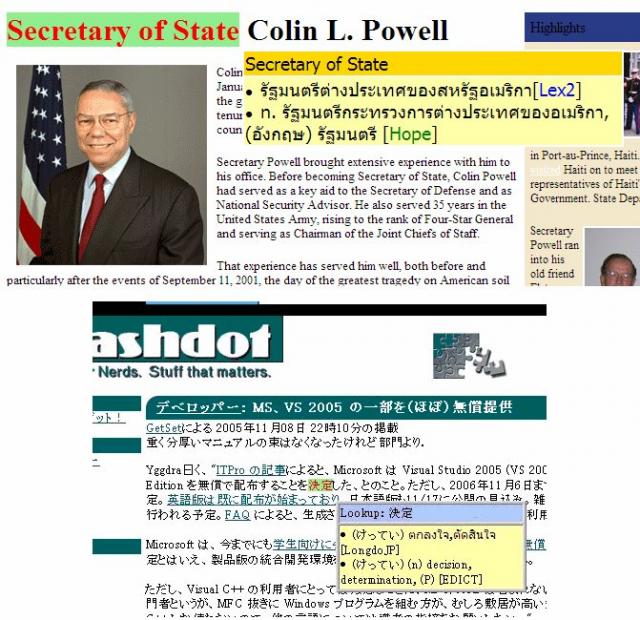
 วางเมาส์ที่คำศัพท์เพื่อแสดงป๊อปอัป


人口稠密 (rén kǒu chóu mì) (de)


  • (じん) (suf) (1) -ian (e.g. Italian, etc.) (attaches to name of country to denote nationality); -er (e.g. performer, etc.) (attaches to name of occupation); (2) (usu. in compound words) man; person; people; (P) [EDICT]
  • (と) (suf) person [EDICT]
  • (にん(P);たり;り) (ctr) (1) counter for people; (n) (2) (にん only) (usu. in compound words) person; (P) [EDICT]
  • (ひと) (n) (1) man; person; (2) human being; mankind; people; (3) character; personality; (4) man of talent; true man; (5) other people; (6) adult; (P) [EDICT]
  • (rén, ㄖㄣˊ) man; person; people [CE-DICT]
  • (く;こう) (n) (1) (く only) {Buddh} mouth; speech; (suf,ctr) (2) (usu. こう) counter for people or implements [EDICT]
  • (くち) (n) (1) mouth; (2) opening; hole; gap; orifice; (3) mouth (of a bottle); spout; nozzle; mouthpiece; (4) gate; door; entrance; exit; (5) (See 口を利く・1) speaking; speech; talk (i.e. gossip); (6) (See 口に合う) taste; palate; (7) mouth (to feed); (8) opening (i.e. vacancy); available position; (9) (See 口がかかる) invitation; summons; (10) kind; sort; type; (11) opening (i.e. beginning); (suf,ctr) (12) counter for mouthfuls, shares (of money), and swords; (P) [EDICT]
  • (kǒu, ㄎㄡˇ) mouth; (classifier for things with mouths such as people, domestic animals, cannons, wells etc) [CE-DICT]
  • (chóu, ㄔㄡˊ) dense; crowded; thick; many [CE-DICT]
  • (みつ) (n,adj-na) (1) density; thickness; (2) secrecy; (3) minute; fine [EDICT]
  • (mì, ㄇㄧˋ) secret; confidential; close; thick; dense [CE-DICT]
  • (じ) (n) (1) (abbr) ground; land; earth; soil; (2) the region in question; the local area; (3) skin; (4) texture; fabric; material; weave; (5) base; background; (6) one's true nature; (7) narrative (i.e. descriptive part of a story); (8) real life; actuality; (9) (in the game of go) captured territory; (10) (See 地謡) noh chorus; (11) (in Japanese dance) accompaniment music; (12) (in Japanese music) basic phrase (usu. repetitive); (13) base part (of multiple shamisens) [EDICT]
  • (ち) (n,n-suf) (1) earth; ground; land; soil; (2) place; (3) territory; (4) (See 天地無用) bottom (of a package, book, etc.); (5) (See 五大・1,土・ど・2) earth (one of the five elements); (P) [EDICT]
  • (つち(P);つし(地)) (n) (1) earth; soil; dirt; (2) the earth (historically, esp. as opposed to the heavens); the ground; the land; (3) (See 鳥の子紙) low-quality torinoko-gami (containing mud); (4) (also written as 犯土, 椎, 槌) (See 陰陽道) (period of) refraining from construction in the direction of the god of the earth (in On'youdou); (P) [EDICT]
  • (de, ㄉㄜ˙) -ly; structural particle: used before a verb or adjective, linking it to preceding modifying adverbial adjunct [CE-DICT]
  • (dì, ㄉㄧˋ) earth; ground; field; place; land [CE-DICT]


Search other online dictionaries

English/Thai Dictionary
Thai Dictionary and related
English/Thai Dictionary Software Application
English/English Dictionary
 

Japanese Dictionary
German and German/English Dictionaries
Other translation and dictionary websites
Other interesting resources

Do you know the meaning of this word?

You can Suggest your own translation to Longdo

Discussions

ว่าด้วยโฆษณา
เราทราบดีว่าท่านผู้ใช้คงไม่ได้อยากให้มีโฆษณาเท่าใดนัก แต่โฆษณาช่วยให้ทาง Longdo เรามีรายรับเพียงพอที่จะให้บริการพจนานุกรมได้แบบฟรีๆ ต่อไป ดูรายละเอียดเพิ่มเติม
Go to Top