อัปสกิลอินเตอร์! ด้วย “สำนวนสัตว์โลก” (Animal Idioms) สุดคิ้วท์ที่ฝรั่งใช้บ่อยมาก เคยไหมคะ? เวลานั่งดูซีรีส์เรื่องโปรด หรือคุยกับเพื่อนต่างชาติ แล้วอยู่ ๆ เขาก็พูดคำว่า “ฝนตกเป็นแมวเป็นหมา” หรือ “มีผีเสื้ออยู่ในท้อง” ขึ้นมาเสียดื้อ ๆ จนเราแอบเอ๊ะในใจว่า “ห๊ะ? แปลว่าอะไรนะ?” เพราะถ้าแปลตรงตัวเนี่ย บอกเลยว่ามึนตึ้บแน่นอนค่ะ! ในภาษาอังกฤษมีสิ่งที่เรียกว่า Idioms (สำนวน) อยู่เยอะมาก ๆ ค่ะ และหนึ่งในหมวดที่ฮิตแถมยังน่ารักสุด ๆ ก็คือ “สำนวนเกี่ยวกับสัตว์” เพราะคนสมัยก่อนมักจะหยิบยกพฤติกรรมของเจ้าพวกสี่ขาหรือสัตว์รอบตัวมาเปรียบเปรยกับนิสัยของมนุษย์ วันนี้เราจะพาทุกคนไปอัปคลังคำศัพท์กับสำนวนสัตว์โลกสุดฮิตที่รู้ไว้ ได้ใช้ในชีวิตประจำวันแน่นอนค่ะ! 🐶...
สรุปรวม “เครื่องหมายวรรคตอน” (Punctuation): ฮีโร่ผู้อยู่เบื้องหลังทุกตัวอักษร ลองจินตนาการว่าคุณกำลังอ่านบทความภาษาอังกฤษอยู่โดยที่ไม่มีช่องว่างไม่มีเครื่องหมายคำถามไม่มีจุดฟูลสต็อปและไม่มีอะไรเลยคุณคงจะรู้สึกอึดอัดและหมดแรงตั้งแต่สามประโยคแรกใช่ไหมคะ? นี่คือเหตุผลที่ เครื่องหมายวรรคตอน (Punctuation) ถูกคิดค้นขึ้นมา พวกมันไม่ได้เป็นแค่สัญลักษณ์แปลกๆ ที่ถูกสาดลงบนหน้ากระดาษ แต่เป็นเหมือน “ป้ายจราจร” ในโลกของภาษาที่คอยบอกคนอ่านว่าควรหยุดตอนไหน ควรเว้นหายใจเมื่อไหร่ และควรใส่อารมณ์กับประโยคนั้นอย่างไร เมื่อเครื่องหมายเปลี่ยน ชีวิตก็เปลี่ยน ความทรงพลังของเครื่องหมายวรรคตอนเห็นได้ชัดที่สุดผ่านตำแหน่งของมัน บ่อยครั้งที่การวางเครื่องหมายผิดที่ สามารถเปลี่ยนความหมายจากหน้ามือเป็นหลังมือ หรืออาจถึงขั้น “เปลี่ยนชีวิต” ได้เลยทีเดียว ลองดูตัวอย่างคลาสสิกในภาษาอังกฤษนี้: แบบที่...
Today’s Lesson: เมคอัพสไตล์ “ปรุงจืด” ในภาษาอังกฤษ ถ้าพูดถึงเทรนด์บิวตี้ที่มาแรงและยืนหนึ่งในใจใครหลายคนตอนนี้ คงหนีไม่พ้นการแต่งหน้าโทนละมุน ๆ นวล ๆ หรือที่ชาวเน็ตไทยเรียกกันอย่างเอ็นดูว่า “แต่งหน้าแบบปรุงจืด”  คำว่า ปรุงจืด ในที่นี้ไม่ได้แปลว่าจืดชืดไร้มิติ แต่หมายถึงการแต่งหน้าเน้นความสวยแบบธรรมชาติ ไม่เน้นสีสันที่ฉูดฉาด ไม่คัดเบ้าตาแน่น หรือ กรีดอายไลเนอร์คมกริบ แต่เป็นการ “แต่งเหมือนไม่ได้แต่ง” ที่ดูแพงและสบายตา แล้วถ้าเราอยากจะอธิบายลุคนี้เป็นภาษาอังกฤษล่ะ? จะใช้คำว่าอะไรให้ตรงเรฟและอินเทรนด์ที่สุด วันนี้เราสรุปมาให้แล้ว 3 คีย์เวิร์ดภาษาอังกฤษของสาว...
ประโยคภาษาอังกฤษใช้บ่อยในที่ทำงาน คุณเคยเจอสถานการณ์นี้ไหม? เวลาคุยภาษาอังกฤษกับเพื่อนร่วมงานหรือชาวต่างชาติ แล้วอยากจะบอกว่า “ฉันเข้าใจที่คุณพูดนะ” แต่ในหัวกลับคิดออกอยู่ประโยคเดียวคือ “I understand” การสื่อสารที่มีเสน่ห์และดูเป็นธรรมชาติเหมือนเจ้าของภาษา (Idiomatic expressions) มักจะผสมผสานระหว่าง Simple Sentences (ประโยคความเดียวที่กระชับ ตรงประเด็น) และ Idioms หรือ Slang (สำนวนที่สละสลวย) เข้าด้วยกัน วันนี้เรามาดูตัวอย่างประโยคที่ใช้บ่อยในการทำงานและชีวิตประจำวัน เพื่ออัปเกรดภาษาอังกฤษของคุณให้ดูโปรและเป็นธรรมชาติมากขึ้น 1. หมวด: “ฉันเข้าใจสิ่งที่คุณต้องการจะสื่อ” เวลาต้องการแสดงความเข้าอกเข้าใจ หรือบอกว่าเราตามความคิดของอีกฝ่ายทัน...
ผลลัพธ์การค้นหาสำหรับ

まんじり

   
ภาษา
Dictionaries languages

English Phonetic Symbols


Chinese Phonetic Symbols


ลองค้นหาคำในรูปแบบอื่น ๆ เพื่อให้ได้ผลลัพธ์มากขึ้นหรือน้อยลง: -まんじり-, *まんじり*
(เนื่องจากผลลัพธ์จากการค้นหา まんじり มีน้อย ระบบได้ทดลองค้นหาใหม่โดยใส่ดอกจันทน์ (wild-card) ให้โดยอัตโนมัติ: *まんじり*)
มีผลลัพธ์ที่ไม่แสดงผลอยู่
ปรับการตั้งค่า
Dictionaries languages

English Phonetic Symbols


Chinese Phonetic Symbols


Japanese-English: EDICT Dictionary
まんじり[manjiri] (n) (1) (See まんじりともしない) (usu. with negative verb) nap; doze; short sleep; (adv-to) (2) staringly; fixedly [Add to Longdo]
まんじりともしない;まんじりともせず[manjiritomoshinai ; manjiritomosezu] (exp) not sleeping a wink; wide awake all night [Add to Longdo]

เพิ่มคำศัพท์


ทราบความหมายของคำศัพท์นี้? กด [เพิ่มคำศัพท์] เพื่อใส่คำนี้พร้อมความหมาย เพื่อเป็นวิทยาทานแก่ผู้ใช้ท่านอื่น ๆ


ติดโพย (PopThai)
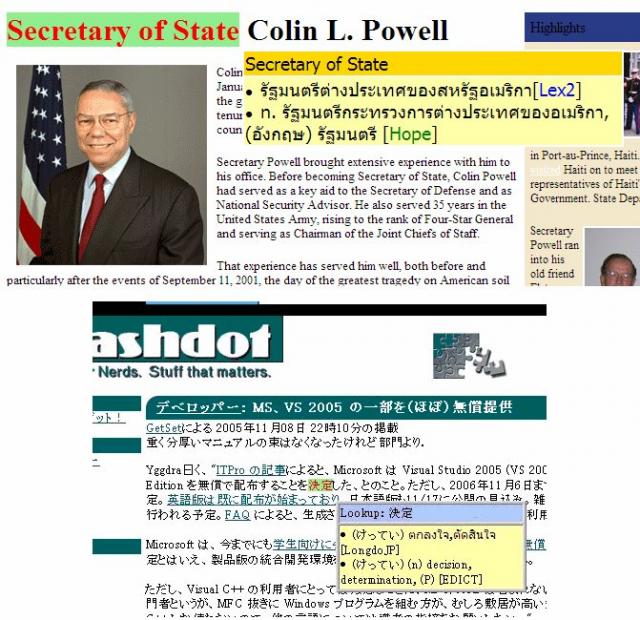
 วางเมาส์ที่คำศัพท์เพื่อแสดงป๊อปอัป


  • () (aux) (1) probably isn't (doesn't, won't, etc.); (2) don't (doesn't) intend to; intend not to; (3) must not; (when used in an imperative sentence) don't [EDICT]
  • () (aux-v) (1) (pol) (See ませ) used to indicate respect for the listener (or reader); (2) (arch) (hum) used to indicate respect for those affected by the action [EDICT]
  • () (aux) (1) (pol) (See ます) (used to make a polite request or demand) please; (2) used to increase the politeness of a greeting, apology, etc. [EDICT]
  • (間) (n) space; room; time; pause; (P) [EDICT]
  • (真) (n,pref) just; right; due (east); pure; genuine; true [EDICT]
  • (魔) (n) (1) demon; devil; evil spirit; evil influence; (n-suf) (2) (See 覗き魔) someone who (habitually) performs some (negative) act; (P) [EDICT]
  • () (prt) that being the case; because of ...; the reason is ....; given that...; (P) [EDICT]
  • () (exp) the expectation is that ...; the reason is that ...; the fact is that ...; it is that ...; (P) [EDICT]
  • (字) ตัวอักษร [LongdoJP]
  • (事) (n) {Buddh} (See 理・2) individual concrete phenomenon (as opposed to a general principle) [EDICT]
  • (児) (n-suf) child; (P) [EDICT]
  • (字) (n) (1) character (i.e. kanji); (2) hand-writing; penmanship; (3) (as 〜の字) (See ほの字) the ... word (i.e. "the L word" = "love"); (P) [EDICT]
  • (寺) (suf,ctr) counter for temples [EDICT]
  • (時) (suf) (1) hour; o'clock; (suf,adj-no) (2) (See 緊急時) (specified) time; when ...; during ... [EDICT]
  • (次) (pref) (1) next; (2) (See 次亜) hypo- (i.e. containing an element with low valence); (ctr) (3) order; sequence; time; times [EDICT]
  • (璽) (n) emperor's seal [EDICT]
  • (痔) (n) hemorrhoids; piles [EDICT]
  • (辞) (n) (1) address (e.g. opening or closing remarks); speech; words; (2) ci (Chinese literary form); (3) (See 詞・3) ancillary word [EDICT]
  • (地) (n) (1) (abbr) ground; land; earth; soil; (2) the region in question; the local area; (3) skin; (4) texture; fabric; material; weave; (5) base; background; (6) one's true nature; (7) narrative (i.e. descriptive part of a story); (8) real life; actuality; (9) (in the game of go) captured territory; (10) (See 地謡) noh chorus; (11) (in Japanese dance) accompaniment music; (12) (in Japanese music) basic phrase (usu. repetitive); (13) base part (of multiple shamisens) [EDICT]
  • (路) (suf) (1) route; road; (2) distance travelled in a day; (3) (See 七十路) (with decade) one's ....; age .... [EDICT]
  • (利) (n) advantage; benefit; profit; interest; (P) [EDICT]
  • (吏) (n) (arch) an official [EDICT]
  • (理) (n) (1) reason; principle; logic; (2) {Buddh} (See 事・じ) general principle (as opposed to individual concrete phenomenon); (3) (in neo-Confucianism) the underlying principles of the cosmos; (P) [EDICT]
  • (里) (n) (1) ri (old Japanese unit of distance, approx. 3.927km or 2.44 miles); (2) (See 郷里制,国郡里制) neighbourhood (under the ritsuryo system; orig. of 50 homes); (3) (See 条里制) unit of area (approx. 654m by 654m); (P) [EDICT]
  • (離) (n) li (one of the trigrams of the I Ching [EDICT]


Search other online dictionaries

English/Thai Dictionary
Thai Dictionary and related
English/Thai Dictionary Software Application
English/English Dictionary
 

Japanese Dictionary
German and German/English Dictionaries
Other translation and dictionary websites
Other interesting resources

Do you know the meaning of this word?

You can Suggest your own translation to Longdo

Discussions

ว่าด้วยโฆษณา
เราทราบดีว่าท่านผู้ใช้คงไม่ได้อยากให้มีโฆษณาเท่าใดนัก แต่โฆษณาช่วยให้ทาง Longdo เรามีรายรับเพียงพอที่จะให้บริการพจนานุกรมได้แบบฟรีๆ ต่อไป ดูรายละเอียดเพิ่มเติม
Go to Top